
GRACED PRACTITIONER MEMBERSHIP
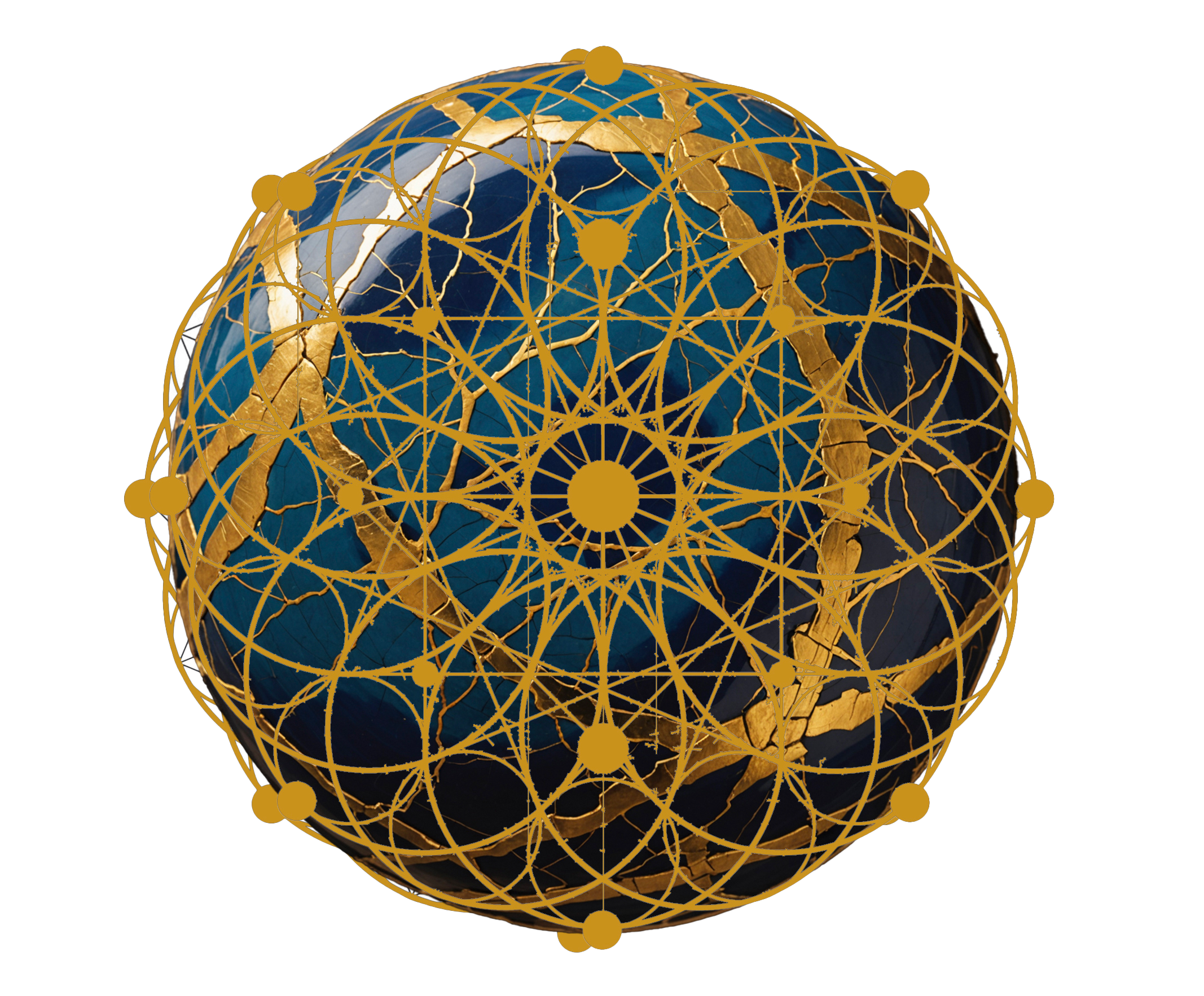
Graced Practitioners’ Membership
If the idea of living with balance, following your own goals, and helping others do the same stirs something inside you, then perhaps becoming a Graced member is your next step.
This is more than a subscription. It’s an opening—an opportunity to bring healing into your own hands, to nurture yourself and those you care about, and even, if you wish, to share it as a service with the wider world. The training is simple, but the ripple effect it creates can be profound.
My dream is simple yet vast: that one day, every family will have this program available in their home. That together, we will raise the consciousness of the planet—gently, steadily, one family at a time.
The training is only a few hours, but what you gain can serve you for a lifetime. Here is how you begin:
✨ Step 1 – Learn to listen to your inner guidance.
Through muscle testing (Applied Kinesiology) or the use of a pendulum, you’ll open the door to a deeper way of knowing. A free training video is here to guide you.
✨ Step 2 – Join the community.
With an annual subscription of $300 / £245, you gain access to a healing method that lives in your hands, always available whenever you need it.
✨ Step 3 – Step into your practice.
Once you create your account, you’ll receive the GRACED training video. In less than an hour, the entire process will be laid out for you—clear, simple, and repeatable whenever you wish. And remember, I am here to walk alongside you, ready to answer your questions and support your journey.
This is not just training. It is an invitation—to step into alignment, to serve yourself and others, and to help weave more light into the world.
Contact me for questions and to set up membership: diane@graced.co
FREQUENCY CHART
-
A spirit rooted in good intentions—open, generous, and kind—always ready to share with warmth and sincerity.
I. CORE CONCEPTS
A spirit rooted in good intentions
Open, generous, kind
Ready to share with warmth and sincerity
II. KEY DIMENSIONS
1. Open Love
Childlike transparency; pure open-heartedness
Love flows freely without fear, resistance, or protection
Giving arises spontaneously without expectation or transaction
Compassion toward all, even those who caused pain
Love remains unconditional, continuous, and full of grace
2. Endeared
Warm, sincere presence
Naturally draws positive connection through authenticity
3. Desired
Energetic magnetism
Attraction based not on appearance, but on energetic presence
4. Appreciation
Two-fold harmony:
Giving appreciation: open-hearted gratitude for life and connection
Receiving appreciation: feeling seen, valued at a soul level
Appreciation as sacred recognition, not just politeness
Mutual resonance creates deeper, meaningful relationships
5. Generosity
Two-fold condition:
Unselfish giving where the act itself is the reward
No tallying, no expectation of return
Extends beyond familiar circles, embraces strangers
Compassion in action; unconditional love expressed through deeds
MORE DETAILS
Benevolence
Open Love:
This is a state of childlike transparency—a pure and open-hearted presence where love is not earned, but simply is. It flows freely, like a warm current swirling around you, untouched by fear, resistance, or the need to protect.
In this state, giving becomes effortless. There is no expectation, no transaction—only the joy of sharing from an overflowing well. Acts of kindness arise spontaneously, guided by the heart, not obligation.
Even those who once caused pain are met with compassion. Not because their actions are forgotten, but because love, in its truest form, is not conditional. It seeks no reward. It simply continues to flow—uninterrupted, undistorted, and full of grace.Endeared:
A spirit rooted in good intentions—open, generous, and kind—always ready to share with warmth and sincerity.Desired:
This is a state of magnetism where no matter where you go, you attract. This is not necessarily in having a physical ‘look’, it is on an energetic level.Appreciation:
This is a two-fold harmony: the giving and receiving of appreciation. To be in a state of appreciation is to live with open-hearted gratitude—for presence, for connection, for simply being. But equally important is the experience of being appreciated—of feeling seen, acknowledged, and valued at a soul-deep level.
For true balance to emerge, both must flow freely. Appreciation is more than a polite gesture—it’s a sacred recognition of worth. When this energy moves in both directions, it creates a mutual resonance: a relationship not just of gratitude, but of meaningful connection and shared presence.Generosity:
This is a two-fold condition—an unselfish state of giving, where the act itself is the reward. There is no concern for return, no silent tally of what’s owed. It is a readiness to offer more than what is asked, to exceed what is expected, simply because generosity is woven into the fabric of your being.
This state knows no boundaries of familiarity. It extends beyond circles of kinship or recognition. Its value system holds space for all—caring even for strangers, and giving without a name attached. It is compassion in motion, love without limits, and grace made visible through action. -
A vibrant, wholehearted engagement with life—an electrifying concern that ignites curiosity, compassion, and a deep desire to make a positive impact on the world.
II. Key Dimensions
1. Open Love
Childlike transparency; pure open-heartedness
Love flows freely without fear, resistance, or protection
Giving arises spontaneously without expectation or transaction
Compassion toward all, even those who caused pain
Love remains unconditional, continuous, and full of grace
2. Endeared
Warm, sincere presence
Naturally draws positive connection through authenticity
3. Desired
Energetic magnetism
Attraction based not on appearance, but on energetic presence
4. Appreciation
Two-fold harmony:
Giving appreciation: open-hearted gratitude for life and connection
Receiving appreciation: feeling seen, valued at a soul level
Appreciation as sacred recognition, not just politeness
Mutual resonance creates deeper, meaningful relationships
5. Generosity
Two-fold condition:
Unselfish giving where the act itself is the reward
No tallying, no expectation of return
Extends beyond familiar circles, embraces strangers
Compassion in action; unconditional love expressed through deeds
MORE DETAILS
Benevolence
A spirit rooted in good intentions—open, generous, and kind—always ready to share with warmth and sincerity.
Further defined details are:Open Love:
This is a state of childlike transparency—a pure and open-hearted presence where love is not earned, but simply is. It flows freely, like a warm current swirling around you, untouched by fear, resistance, or the need to protect.
In this state, giving becomes effortless. There is no expectation, no transaction—only the joy of sharing from an overflowing well. Acts of kindness arise spontaneously, guided by the heart, not obligation.
Even those who once caused pain are met with compassion. Not because their actions are forgotten, but because love, in its truest form, is not conditional. It seeks no reward. It simply continues to flow—uninterrupted, undistorted, and full of grace.Endeared:
A spirit rooted in good intentions—open, generous, and kind—always ready to share with warmth and sincerity.Desired:
This is a state of magnetism where no matter where you go, you attract. This is not necessarily in having a physical ‘look’, it is on an energetic level.Appreciation:
This is a two-fold harmony: the giving and receiving of appreciation. To be in a state of appreciation is to live with open-hearted gratitude—for presence, for connection, for simply being. But equally important is the experience of being appreciated—of feeling seen, acknowledged, and valued at a soul-deep level.
For true balance to emerge, both must flow freely. Appreciation is more than a polite gesture—it’s a sacred recognition of worth. When this energy moves in both directions, it creates a mutual resonance: a relationship not just of gratitude, but of meaningful connection and shared presence.Generosity:
This is a two-fold condition—an unselfish state of giving, where the act itself is the reward. There is no concern for return, no silent tally of what’s owed. It is a readiness to offer more than what is asked, to exceed what is expected, simply because generosity is woven into the fabric of your being.
This state knows no boundaries of familiarity. It extends beyond circles of kinship or recognition. Its value system holds space for all—caring even for strangers, and giving without a name attached. It is compassion in motion, love without limits, and grace made visible through action. -
A quality of honorable connection rooted in self-awareness and the integrity of your word.
Key Point:
Your identity shines through the promises you keep and the trust you build with others.
II. Key Dimensions
1. Supported
Definition:
A reciprocal assurance—an energetic knowing that, come what may, there are hands ready to lift you when you stumble.Key Point:
Support flows in both directions across personal bonds, community ties, national unity, and spiritual fellowship.
2. Responsible
Definition:
A two-way commitment where you own both the duty and the outcome.Key Point:
You are the catalyst for success or failure, fully aware that mistakes and victories alike stem from your actions.
Growth comes from accepting errors and celebrating shared achievements.
3. Reliable
Definition:
A two-way condition of trust.Key Point:
Others know they can rely on your prompt support, and you uphold their confidence by being a steadfast safety net.
4. Detachment
Definition:
A balanced capacity for caring without controlling or becoming distant.Key Point:
Healthy boundaries ensure genuine, appropriate connection based on the nature of each relationship.
5. Trustworthy
Definition:
A two-way dynamic of steadfast reliability.Key Point:
Built through direct honesty and unwavering integrity, where promises are sacred and faithfulness becomes a foundation of trust.
6. Responsiveness
Definition:
A two-way exchange of support characterized by swift and precise action.Key Point:
Trust is built through readiness, reliability, and timely care and guidance.
MORE DETAILS
Accountability
A quality of honorable connection—rooted in self-awareness and the integrity of your word. Your identity shines through the promises you keep and the trust you build with others.Supported
A reciprocal assurance—an energetic knowing that come what may, there are hands ready to lift you when you stumble. This support flows in both directions, whether within personal bonds, community ties, national unity, or spiritual fellowship.Responsible
A two-way commitment—a state where you own both the duty and the outcome. You are the catalyst for success or failure, fully aware that mistakes and victories alike stem from your actions. In this space, you accept responsibility for errors while celebrating shared achievements as part of your own growth.Reliable
A two-way condition of trust—where others know they can rely on your prompt support, and you uphold their confidence by being a steadfast safety net.Detachment
A balanced capacity for caring—deep enough to offer genuine support but never so much that it becomes controlling, and never so little that it feels distant. In this state, your boundaries are healthy and clear, ensuring the connection you share is always appropriate to the nature of each relationship.Trustworthy
A two-way dynamic of steadfast reliability—where your direct honesty and unwavering integrity create a clear, transparent foundation of trust. Others know your promises are sacred, and your faithfulness becomes their surety.Responsiveness
A two-way exchange of support—the ability to offer help, guidance, or assistance swiftly and with precision. It’s a responsive flow of care and capability, where readiness meets reliability, and trust is built through timely action. -
Tolerance is the essence of true openness—a wholehearted acceptance where differences are not merely endured but embraced. It is the ability to create a space free of judgment, where others can be fully themselves, and where peace is found in the richness of diversity.
II. Key Dimensions
1. Objective
A state of grounded fairness
Remaining open and unbiased, even when confronted with differing perspectives
Listening without defensiveness
Weighing all viewpoints with clarity and extending respect regardless of agreement
2. Acceptance
The strength to remain open-minded
Genuinely hearing ideas that challenge your beliefs
Setting ego aside to engage with curiosity
Allowing understanding to grow beyond previous limits
3. Respect
The grace to honor others’ rights even amidst disagreement
Recognizing that respect is rooted in shared humanity, not shared opinions
Choosing dignity over division
Demonstrating maturity and inner strength in every interaction
4. Moral Virtue
Going beyond passive acceptance to active discernment
Holding space for others while staying anchored in clear moral principles
Responding to differences with compassion and integrity
Balancing openness with unwavering ethical clarity
MORE DETAILS
Tolerance
The essence of true openness—a state of wholehearted acceptance where differences are not merely tolerated but embraced. It is the ability to live without judgment, creating space for others to be fully themselves in your presence, and finding peace in the diversity of the human experience.Objective:
A state of grounded fairness—where you remain open and objective, even when faced with perspectives that challenge your own. It’s the ability to listen without defensiveness, to weigh differences with clarity, and to extend respect regardless of agreement.Acceptance:
The strength to stay open-minded—where you can genuinely hear ideas and perspectives that challenge your own beliefs. It’s the willingness to set ego aside, engage with curiosity, and allow understanding to grow beyond the limits of what you thought you knew.Respect:
The grace to honor others’ rights, even in disagreement—a sign of true maturity and inner strength. It’s recognizing that respect isn’t rooted in shared opinions, but in shared humanity, and choosing to uphold dignity over division.Moral Virtue:
True tolerance goes deeper than passive acceptance—it’s the wisdom to hold space for others while remaining anchored in a clear sense of what is morally right and wrong. It’s not about allowing everything, but about responding with discernment, compassion, and integrity. -
A steady heart and calm spirit—the quiet, consistent strength of emotional balance. It’s the ability to remain grounded through life’s fluctuations while radiating warmth, kindness, and uplifting positivity to the world around you.
II. Key Dimensions
1. Cheerful
Radiating inner joy and optimism
Inspiring others naturally through a heart full of hope
Seeing beauty and goodness even in everyday moments
2. Hopeful
A spirit alive with possibility
Inspiration and optimism combining to fuel purposeful momentum
Embracing the beauty of “what could be”
3. Positive Outlook
A vibrant mental state where positivity energizes thoughts and actions
Confidence in forward movement and future possibilities
Seeing challenges as opportunities for growth
4. Agreeable
A conflict-free, pleasurable presence
Bringing ease and enjoyment to interactions
Harmonizing with others naturally
5. Kindness
Radiating warmth, compassion, and generosity
Extending goodwill without expectation
Transforming ordinary encounters into meaningful connections
MORE DETAILS
Temperament
A steady heart and calm spirit—this is the essence of emotional balance. It’s the quiet strength of remaining grounded through life’s ups and downs, while consistently showing warmth, kindness, and a genuine positivity that uplifts those around you. But more than just composure, this steadiness is a reflection of emotional intelligence—an inner compass that helps navigate conflict with grace, respond to change without panic, and meet each moment with presence. It’s a temperament rooted not in the absence of emotion, but in the mastery of it—a serene assurance that brings peace into the lives of others and makes space for clarity, understanding, and resilience to grow.Cheerful
To radiate joy and light, carrying an air of optimism that inspires those around you. It’s the natural glow that comes from within when your heart is full of hope and your spirit chooses to see the good—even in the ordinary. Cheerfulness isn’t about denying life’s challenges, but about consciously choosing joy as a way of engaging with the world. It’s an emotional generosity, expressed through laughter, lightheartedness, and a sincere presence that brightens rooms and lifts burdens. Cheerfulness can be contagious—a quiet revolution of joy that subtly shifts the emotional climate of those nearby, reminding them that even in difficulty, joy remains possible.Hopeful
A state where your spirit feels lifted—alive with possibility and open to the beauty of what could be. Inspiration stirs your thoughts, optimism fuels your steps, and together they create a sense of purposeful momentum toward something greater. Hope is not blind wishfulness; it’s a deep-rooted belief in potential, even when evidence is scarce. It’s what compels us to dream, to keep moving forward through uncertainty, and to imagine better outcomes. Hopefulness offers courage in vulnerability, endurance in waiting, and faith in renewal—it’s the fertile soil where transformation begins, shaping a life not just of longing, but of intentional pursuit.Positive Outlook
A vibrant state of mind where positivity fuels your thoughts, energy propels your actions, and every idea carries the spark of possibility. It’s the essence of forward-thinking—a mindset that sees beyond the now and moves confidently toward what’s next. More than just seeing the glass half full, a positive outlook is a conscious, cultivated orientation toward growth, resilience, and opportunity. It reframes setbacks as lessons, welcomes change as evolution, and infuses daily life with a quiet courage. This perspective doesn’t ignore hardship; it simply refuses to be defined by it, choosing instead to build bridges toward brighter tomorrows.Agreeable
A state of being enjoyable and pleasurable without any conflict. Agreeableness is more than simply going along with others—it’s a graceful harmony of empathy, patience, and a sincere desire to maintain peace. It involves active listening, a readiness to understand, and an ease in collaboration that makes shared experiences more fluid and enjoyable. An agreeable person navigates differing opinions without antagonism and often seeks common ground, fostering mutual respect and understanding. It’s a disposition that smooths social dynamics, encourages trust, and leaves others feeling accepted and at ease.Kindness
Radiating warmth and compassion, this heartfelt disposition embraces others with open arms—a soul-deep generosity that transforms ordinary interactions into meaningful connections. It’s the art of extending kindness without expectation, illuminating lives with genuine goodwill and creating ripples of positivity that touch everyone in its path. True kindness sees beyond the surface—recognizing the unseen burdens others carry, offering comfort in subtle ways, and choosing love in moments where judgment might be easier. It is a quiet, powerful force that changes the emotional tone of a space, reminding us all that in a world full of complexity, simple human warmth still matters most. -
The remarkable ability to stand firmly in your authentic self while navigating relationships with others with confidence and grace. This inner alignment creates a foundation of genuine connection—allowing you to remain centered during challenges, responsive rather than reactive in difficult moments, and fully present in your interactions. It’s this balanced state that fosters trust, enables clear boundaries, and cultivates meaningful relationships built on mutual respect.
II. Key Dimensions
1. Shielded
Creating a personal shield that guards your well-being
Deflects negative influences and keeps you safely beyond the reach of harmful situations
Supports emotional boundary maintenance through energy protection techniques
2. Composure
Maintaining inner calm and steady control under intense pressure
Enables clear thinking and purposeful action during challenges
Developed through practices like deep breathing and focused mental exercises
3. Secure
Standing firmly in your own confidence, free from fear and anxiety
Moves through life with clarity and decisive action
Strengthened by gratitude practices that cultivate an energized, appreciative mindset
4. Humility
Honoring others with genuine regard while respecting your own dignity and worth
Lays the groundwork for authentic connection and mutual understanding
Reflected in aligned actions and professional, respectful language
5. Pacified
Transforming agitation by introducing a calming presence—like pouring still water into turbulent waves
Creates space for clarity, understanding, and natural resolution
Practices include reclaiming your energy and invoking healing light to restore inner peace
MORE DETAILS
Core Description
The remarkable ability to stand firmly in your authentic self while navigating relationships with others with confidence and grace.
This inner alignment creates a foundation of genuine connection—allowing you to remain centered during challenges, responsive rather than reactive in difficult moments, and fully present in your interactions.
It’s this balanced state that fosters trust, enables clear boundaries, and cultivates meaningful relationships built on mutual respect.
Further Defined Details
Shielded
Creating a personal shield that guards your well-being, deflecting negative influences and keeping you safely beyond the reach of harmful situations.
This protective boundary allows you to navigate life’s challenges while maintaining your energy and peace of mind.
This concept relates to energy protection techniques that help maintain emotional boundaries when dealing with challenging situations or people who might drain your energy.
Composure
The remarkable ability to maintain inner calm and steady control even when facing intense pressure—a centered presence that allows clear thinking and purposeful action when challenges arise.
The ability to stay calm under pressure is described as a skill that can be developed through practices like deep breathing and mental focus, allowing you to respond thoughtfully rather than react emotionally to difficult situations.
Secure
The powerful state of standing firmly in your own confidence—unburdened by fear and liberated from the weight of anxiety—allowing you to move through life with clarity and decisive action.
A gratitude practice helps develop a mindset that’s “appreciative, energised and alive,” creating the foundation for genuine confidence that isn’t easily shaken by external circumstances.
Humility
This noble quality embodies the delicate balance of honoring others with genuine regard while maintaining unwavering respect for one’s own dignity and worth—creating a foundation for authentic connection and mutual understanding.
Aligned actions, along with professional and respectful language, reflect how respect serves as both a personal virtue and a social necessity that elevates our interactions and preserves the dignity of all involved.
Pacified
Skillfully transforming an agitated situation by introducing a calming presence—like pouring still water into turbulent waves—creating space for clarity, understanding, and resolution to emerge naturally.
When you feel agitated, you can ”pull that piece of you out” and restore peace by saying “I’m asking for healing light.”
The exercise emphasizes how reclaiming your energy from sources of agitation can restore balance and tranquility, both within yourself and in challenging situations.
-
Cultivating heightened situational awareness with strategic discernment, enabling intentional responses that prioritise influence, connection, and meaningful engagement over reaction and imposition.
Perceive both spoken and unspoken dynamics.
Strategically respond rather than impulsively react.
Influence skillfully while maintaining respect.
Connect authentically beyond surface communication.
II. Key Dimensions
1. Clarity
Express thoughts with crystalline clarity.
Communication should be transparent, laser-focused, and resonant.
Simplicity and truth foster deeper connection
2. Affirmation
Maintain inner alignment with core values.
Act with steadfastness and flexibility, like a deeply rooted yet flexible tree.
Authentic expression arises from principled action, not stubbornness.
3. Conviction
Express deeply anchored beliefs with passion and compassion.
Maintain firmness without rigidity; stay open to growth and dialogue.
Recognize beliefs as subjective filters yet allow them to fuel authentic voice.
4. Fulfillment
Celebrate when aspirations manifest into reality.
Embrace emotional and spiritual rewards alongside achievements.
Fulfillment reflects alignment with a deeper purpose.
5. Purposeful
Embody focused determination as an active force.
Align every thought, action, and breath to a clear goal.
Magnetic certainty draws one forward with momentum.
MORE DETAILS
Sharpness
Core Description
Cultivating a heightened situational awareness that perceives both spoken and unspoken dynamics, coupled with the strategic discernment to navigate these currents with intention—allowing one to respond rather than react, influence rather than impose, and connect rather than merely communicate.
Quality interactions require being “aware of what’s going on” in various contexts, and how developing this awareness creates a foundation for more effective engagement.
The strategic element reflects the importance of not just perceiving what’s happening around you, but skillfully choosing how to respond in ways that achieve meaningful outcomes while still honoring relationships.
Further Defined Details
Clarity
Expressing oneself with crystalline clarity—where thoughts flow like pure water through transparent glass—creating a resonance between speaker and listener that transcends mere comprehension and fosters genuine connection through the elegant simplicity of truth.
Coherent energy can be “laser-like” in its focus and clarity.
The concept of transparency suggests how clarity allows light to pass through unobstructed. Together, these elements create communication that is not just understandable but resonant and transformative.
Affirmation
An unwavering inner alignment that anchors one’s perspective and actions—like a deeply rooted tree that may sway with life’s winds yet remains steadfast in its essential nature—creating a consistent expression of one’s core values regardless of external pressures or changing circumstances.
Resolve, while adding depth and nuance, reflects themes about maintaining integrity and consistency in one’s approach to life.
The imagery of the rooted tree acknowledges that firmness doesn’t mean rigidity—there’s flexibility within steadfastness, similar to how you’ve discussed the balance between structure and adaptability in various contexts.
The concept of alignment with core values reflects authentic expression and principled action, suggesting that true firmness comes not from stubbornness but from deep connection to one’s fundamental beliefs and purpose.
Conviction
The luminous expression of deeply anchored convictions that flow from one’s core identity—like bedrock principles that have weathered life’s storms and emerged stronger—manifesting as an authentic voice that speaks truth with both passion and compassion, neither wavering in the face of opposition nor becoming rigid against reasonable discourse.
Beliefs are a product of our evolution” and how they create “this filter of our reality.”
The conversation notes that “beliefs are entirely subjective” yet can be “deeply held assumptions about reality” that we accept as truth.
The strength of firmly held beliefs while suggesting that quality expression of these beliefs involves both conviction and openness—a balance between standing firm in one’s truth while maintaining the capacity for growth and understanding.
Fulfillment
The sacred moment when aspiration transforms into reality—when the seed of intention blossoms into full manifestation—bringing not merely accomplishment, but a profound sense of wholeness that radiates through one’s being as both deep satisfaction and luminous joy, affirming that the journey of creation has fulfilled its divine purpose.
Fulfillment is both an achievement and an emotional experience. It manifests emotional rewards of seeing desires come to fruition.
The spiritual dimension acknowledges fulfilment isn’t just about external achievements but also about alignment with deeper purpose and the satisfaction that comes from bringing something meaningful into being.
Purposeful
A state of being where determination and resolve become not merely qualities you possess but the very essence of who you are in this moment—with every thought, action, and breath aligned in service to a clearly envisioned goal that pulls you forward with magnetic certainty.
This captures the powerful state of focused determination as contrasted with “playful curiosity,” highlighting how determination represents a specific energetic state.
This determination is both an internal state and an active force—not just having resolve but embodying it completely, where your entire being becomes unified around your purpose.
-
Tranquility is the art of inner harmony—where thoughts, emotions, and energies are contained within balanced boundaries, neither chaotically spilling over nor rigidly suppressed. This internal coherence naturally radiates outward, fostering relationships marked by respect, presence, and the quiet dignity that arises from true self-worth.
It is the integration of self-possession and authentic connection, enabling both personal sovereignty and deep relational harmony, even under stress.
II. Key Dimensions
1. Thoughtful
Living with mindful attention and careful consideration
Creating a virtuous cycle: mindfulness leads to harmonious interactions, reinforcing deeper awareness
Foundation for authentic living where every interaction nurtures respect and attentiveness
2. Approval
A mutual process of consent where all parties clearly understand and freely agree
Upholding autonomy and choice without coercion
Foundational to creating respect and dignity in all interactions—personal, medical, legal, financial
3. Respectful
Deep admiration shown and felt for others’ abilities, qualities, or achievements
True respect maintains healthy boundaries without judgment or disconnection
Respect as a reciprocal dynamic, essential for spiritual growth, strong relationships, and cohesive communities
4. Trust
Firm belief in another’s reliability, truthfulness, ability, or strength—and having that belief extended in return
Requires vulnerability, integrity, and consistent follow-through
Trust as a two-way bond: when nurtured, creates safety for authenticity and vulnerability
Recognizes the impact of broken trust and the need for careful rebuilding
5. Confidence
Genuine faith in oneself and in others
Confidence in others: built through consistent reliability and integrity
Self-confidence: trust in one’s own judgment, abilities, and intrinsic worth
Strengthened by open communication, demonstrated competence, and the willingness to acknowledge imperfections
Like trust, confidence evolves based on experiences and must be continually nurtured
MORE DETAILS
Thoughtful
The quality of a two-way condition that creates a virtuous cycle in our lives. When we approach our existence with careful consideration and mindful attention, we create space for reciprocal respect and awareness in all our interactions.
This two-way condition creates a foundation for authentic living – where our careful consideration of ourselves, others, and our environment creates harmonious interactions that then reinforce and deepen our capacity for attention and care. It’s a beautiful cycle of mindfulness that enriches all aspects of life.Approval
A form of consent that acknowledges something is acceptable.
True consent requires mutual understanding and agreement. It’s not just one person agreeing, but rather a reciprocal process where all involved parties have a clear understanding of what they’re agreeing to. They have the freedom to make their choice without coercion.
Approval respects and autonomy in all interactions – whether personal, medical, legal, or financial. It creates a foundation of mutual respect where all parties acknowledge the acceptability of the arrangement.Respectful
This is a two-way condition involving feeling and showing deep admiration for someone’s abilities, qualities, or achievements, and ideally, receiving that same consideration in return. This involves establishing healthy boundaries rather than complete disconnection.
It shows respect involving consideration for others while maintaining personal boundaries. Essential for spiritual growth, one must be without judgment.
True respect is reciprocal – when we offer respect to others, we create an environment where respect can be returned. This mutual respect forms the foundation for healthy relationships, productive workplaces, and harmonious communities.Trust
It involves having a firm belief in someone’s reliability, truth, ability, or strength, and ideally, having that same belief extended to you in return.
Trust requires vulnerability from both parties – a willingness to rely on another person with the expectation that they will act with integrity. When someone demonstrates reliability and consistency in their words and actions, trust naturally develops. Similarly, when we prove ourselves trustworthy to others, they become more willing to place their trust in us.
In healthy relationships, trust functions as a reciprocal exchange: I trust you because you’ve shown yourself to be trustworthy, and you trust me for the same reason. This mutual trust creates a secure environment where both parties feel safe to be authentic and vulnerable.
When trust is broken, it affects both sides of the relationship. The person whose trust was violated feels hurt and may become more guarded, while the person who broke the trust loses credibility and must work to rebuild what was damaged.
The two-way nature of trust means that both parties must actively participate in building and maintaining it through honest communication, consistent behavior, and following through on commitments.Confidence
A state where we can genuinely rely on or have faith in someone or something. Confidence is indeed closely related to trust, but with some nuanced differences.
Confidence can manifest in two important ways: our confidence in others and our confidence in ourselves. Both are essential for healthy relationships and personal growth.
When we have confidence in others, we’re expressing a form of trust that’s often based on demonstrated reliability or competence. Confidence in relationships is built through consistent actions that demonstrate reliability. When someone repeatedly shows up for you, keeps their word, and acts with integrity, your confidence in them naturally grows.
Self-confidence is equally important – it’s that internal assurance that allows us to trust our own judgment, abilities, and worth. When we have self-confidence, we’re more likely to establish healthy boundaries in relationships and recognize when our trust is being misplaced.Building confidence, whether in ourselves or others, typically requires:
Consistent patterns of reliability
Open and honest communication
Demonstrated competence in relevant areas
The ability to acknowledge limitations and mistakes
-
A spirit rooted in good intentions
Open, generous, kind
Ready to share with warmth and sincerity
II. Key Dimensions
1. Uninhibited
The Nature of Being Uninhibited
Being uninhibited means allowing your authentic self to emerge without the filters of self-consciousness, social expectations, or fear of judgment. It’s about:Spontaneous Expression: Speaking or acting from your immediate feelings and thoughts
Emotional Transparency: Allowing yourself to feel and express emotions as they arise
Creative Flow: Accessing states where ideas and expressions flow without internal censorship
Physical Freedom: Moving your body according to its natural impulses rather than learned restrictions
Authentic Voice: Speaking your truth without diluting it to please others
2. Inventiveness
Being inventive, or creating new designs through original thought. This ability to innovate and bring novel ideas into existence is one of our most remarkable capacities.
The Essence of Inventiveness
Being inventive goes beyond mere creativity—it involves:Original Thinking: Generating ideas that haven’t been conceived before
Problem-Solving: Seeing challenges as opportunities for novel solutions
Connecting Disparate Elements: Finding relationships between seemingly unrelated concepts
Practical Application: Translating abstract ideas into tangible designs or solutions
Iterative Improvement: Building upon existing ideas to create something better
3. Adventurous
Taking risks to explore new methods and experiences. This quality drives personal growth, innovation, and adds richness to life’s journey.
The Nature of Adventurousness
Being adventurous involves:Calculated Risk-Taking: Stepping beyond comfort zones with awareness
Curiosity-Driven Exploration: Following your wonder into uncharted territory
Resilience: Bouncing back when adventures don’t go as planned
Openness to Novelty: Embracing unfamiliar experiences with enthusiasm
Growth Mindset: Viewing challenges as opportunities for development
4. Visionary
One of the most transformative human capacities—being visionary, or thinking about and planning the future with both imagination and wisdom. This powerful combination of forward-thinking creativity and practical insight can reshape not just individual lives but entire societies.
The Essence of Visionary Thinking
These examples highlight how visionaries often see possibilities before others do, combining technological understanding with imaginative foresight.Characteristics of Visionary Thinking
True visionary thinking involves:Future Orientation: Looking beyond immediate concerns to long-term possibilities
Pattern Recognition: Identifying emerging trends and their implications
Systems Thinking: Understanding how different elements interact and evolve
Creative Imagination: Envisioning what doesn’t yet exist
Practical Wisdom: Grounding imaginative ideas in reality and ethical considerations
Inspirational Communication: Articulating visions in ways that motivate others
MORE DETAILS
FURTHER RESEARCH INTO DIVERGENT THINKING:
The key qualities of divergent thinking include:
Fluency – generating many ideas quickly
Flexibility – shifting perspectives and approaches easily
Originality – producing unique or unusual ideas
Elaboration – developing and building upon ideasThis type of thinking is particularly valuable for:
Innovation and creative problem-solving
Adapting to changing circumstances
Identifying opportunities others might miss
Breaking free from conventional thinking patternsIt’s about being independent in your perceptions – not simply accepting the standard view but actively seeking alternative perspectives. This independence allows for more progressive planning because you’re not limited to established pathways or solutions.
Developing divergent thinking often involves practices like:
Deliberately seeking multiple solutions to problems
Questioning assumptions and established methods
Engaging with diverse perspectives and information sources
Using techniques like brainstorming and mind mapping
Creating environments that encourage exploration and experimentationDaily Practices to Build Divergent Thinking Skills
Question Assumptions Challenge: Each day, identify one assumption you hold and deliberately challenge it. Ask “What if the opposite were true?” or “What am I taking for granted here?”
Alternative Uses Exercise: Select an everyday object (like a paperclip or coffee mug) and list as many possible uses for it as you can in 3 minutes. Try to reach at least 20 different uses.
Perspective Shifting: When facing a problem, deliberately adopt different perspectives. Ask yourself “How would [a child/an artist/a scientist/etc.] approach this?”
Mind Mapping: Instead of linear note-taking, create visual mind maps that branch out in multiple directions from a central concept.
Random Word Association: When problem-solving, introduce a random word and force connections between it and your challenge to spark new ideas.Environmental and Lifestyle Factors
Diverse Inputs: Expose yourself to varied information sources, opinions, and cultural experiences. Read outside your usual genres and interests.
Creative Constraints: Paradoxically, imposing limitations can boost creativity. Try solving problems with artificial constraints (e.g., “How would I do this with half the budget?”).
Physical Movement: Walking, especially in nature, has been shown to increase creative thinking. Try “walking meetings” with yourself.
Meditation and Mindfulness: Regular practice helps clear mental clutter and creates space for new connections to form.
Play and Experimentation: Approach challenges with a playful mindset where “failure” is just information, not a setback.Social Techniques
Reverse Brainstorming: Instead of asking “How do I solve this problem?”, ask “How could I make this problem worse?” Then reverse those ideas.
Six Thinking Hats: Practice Edward de Bono’s technique of deliberately switching between different thinking modes (facts, emotions, caution, benefits, creativity, and process).
Cross-Pollination Groups: Form or join groups with people from diverse backgrounds and expertise to discuss challenges.
Yes, And…: Borrow from improv comedy – when someone offers an idea, practice building on it with “Yes, and…” rather than “Yes, but…”Tracking Progress
Idea Journal: Keep a dedicated notebook for ideas, observations, and connections. Review it regularly to spot patterns.
Creativity Metrics: Track how many ideas you generate before settling on solutions, and challenge yourself to increase this number.
Feedback Loops: Share your thinking with others and be open to their perspectives on your ideas.Further Defined Details Are:
Creative Power
The ability to produce expressively and imaginatively is indeed one of our most valuable human capacities.
There is an inherent human ability to have the power of manifestation. We have the power of thought, the ability to modify and create. This perspective suggests that creative power goes beyond just making art—it’s about our fundamental ability to shape our experience and even reality itself through our thoughts and intentions.Here are some key aspects of developing your creative power:
Connecting to Your Creative Source
Accessing the Flow State: Learn to recognize and enter the state where time seems to disappear and ideas flow naturally. This often happens when you’re fully engaged in something you enjoy.
Quieting the Inner Critic: Practice separating the creative process from the editing process. Create freely first, evaluate later.
Meditation and Mindfulness: Regular practice helps clear mental blocks and opens channels to your creative wellspring.
Dream Work: Keep a dream journal and mine your dreams for creative inspiration and unexpected connections.Expressive Techniques
Cross-Medium Exploration: If you typically express in one medium (writing, visual art, music), try others to stimulate different creative pathways.
Free Association: Practice timed sessions of unfiltered expression—writing, drawing, or speaking without planning or judgment.
Body-Mind Connection: Movement practices like dance, yoga, or tai chi can unlock creative energy stored in the body.
Voice Work: Experiment with vocal expression through singing, chanting, or even just making sounds to bypass mental blocks.Imaginative Development
Visualization Practice: Regularly exercise your “mind’s eye” by vividly imagining scenes, solutions, or possibilities in detail.
“What If” Scenarios: Make a habit of asking “What if…?” questions and following the imaginative threads they create.
Combinatorial Thinking: Practice combining unrelated concepts or objects to create something new (like “What if a bicycle and a blender were combined?”).
Reverse Engineering Dreams: Imagine your ideal creation, then work backward to determine how to make it reality.Another insight from your conversations highlights the importance of emotional states in creativity:
“Any emotion is the key… we are going to project this frequency… into the web of reality and we are going to create it.”
This suggests that managing your emotional state is crucial for effective creative expression. Cultivating emotions like curiosity, wonder, joy, and even constructive discontent can fuel your creative power.
-
Fascination with belief systems beyond rational proof
Recognition of forces beyond the self
II Key Dimensions
1. Trust
Appropriate levels of trust
Balance skepticism and openness
Evidence and intuition
Revising trust
Trusting oneself as foundational
2. Faith
Conviction beyond evidence
Stability amid uncertainty
Framework for interpreting experience
Source of meaning and purpose
Creating meaning
3. Encouragement
State of inspiration with confidence and conviction
Self-Encouragement
Positive self-talk
Celebrating progress
Values and purpose connection
Self-compassion
Interpersonal Encouragement
Affirmation
Practical support
Wisdom sharing
Presence
Spiritual Encouragement
Connection to deeper meaning
Prayer and meditation
Inspirational texts
Community rituals
4. Honorable
Being in a state of high values
Aligning with values
Principles over convenience
Integrity without observation
Respect and dignity for others
Taking responsibility
Values That Underpin Honor
Integrity
Truthfulness
Courage
Justice
Loyalty
Humility
Service
Cultivating Honor in Daily Life
Clarifying core values
Mindful alignment
Seeking feedback
Studying exemplars
Accountability structures
Reflecting on challenges
Celebrating honorable actions
5. Communion
Dimensions of Communion
Spiritual Communion
Divine connection
Shared transcendence
Unity of purpose
Profound insight
Interpersonal Communion
Authentic self-sharing
Mutual vulnerability
Deep listening
Shared understanding
Internal Communion
Self-integration
Alignment of thoughts, feelings, actions
Self-acceptance
Inner harmony
6. Elements That Foster Communion
Presence
Vulnerability
Trust
Empathy
Receptivity
Authenticity
Silence
Ritual
7. The Transformative Power of Communion
Feeling known and accepted
Diminishing isolation
Gaining new perspectives
Experiencing renewal
Expanding empathy
Developing self-awareness
Connection with a larger reality
8. The Distinction of Communion
Beyond information exchange
Transcending social roles
Sense of “we” identity
Timelessness experience
Lasting impact beyond interaction
MORE DETAILS
Belief System
Belief systems are one of the most fascinating parts of being human. They shape how we see the world—not because they are proven, but because they feel real. Recognizing that our beliefs are influenced by forces beyond logic opens the door to deeper understanding and meaning.The Nature of Belief Systems
A belief system is more than an idea—it’s a deeply felt conviction. It doesn’t always follow logic, yet it feels solid and true, grounded in personal experience and inner knowing.Characteristics of Belief Systems
Belief systems help us interpret life. They often operate silently in the background, feeling like simple truths rather than constructed perspectives. Even when challenged, they persist, shaping how we see, think, and connect with the world and ourselves.The Multidimensional Nature of Belief Systems
Beliefs touch every part of life. Personally, they reflect our experiences and emotions. Culturally, they’re shared through stories and passed down. Spiritually, they reach beyond what can be seen, connecting us to mystery, intuition, and meaning.The Power and Function of Belief Systems
Beliefs give life shape. They help us understand chaos, make choices, face the unknown, and feel less alone. In hard times, they become a source of resilience and connection.Examining Our Belief Systems
We grow by bringing beliefs into awareness. With curiosity and compassion, we can explore their roots, assess their effects, and gently choose which ones to keep, change, or release.The Paradox of Belief Systems
Beliefs both free and limit us. They create the lens through which we see, and they’re shaped by what we see. Though they feel absolute, they are always evolving.Navigating Different Belief Systems
Respecting different beliefs means honoring diverse ways of knowing. We can stay true to our values while engaging others with empathy, finding shared ground, and embracing the beauty of complexity. -
Being open with your feelings while maintaining a positive balance
II. Key Dimensions
1. Happiness
Being in a state of positive outlook where the interpretation of that around oneself is positive
Highlights how happiness involves both our internal mindset and how we perceive our surroundings
Happiness isn’t just about external circumstances but about our interpretations and perspectives
The positive outlook described is a key component of subjective well-being according to many psychologists
2. Joyful
Being in a state of feeling and expressing great pleasure and happiness
Captures the essence of joy as both an internal feeling and its outward expression
Marcel Vogel, a pivotal crystal healer, claimed:
“if you want to be successful, you got to be playful, joyful” because joy and playfulness have higher vibrations than seriousness or relentless determination
3. Compassion
Being in a state of sympathy for the suffering of others
Recorded conversations highlight compassion as a recurring theme with nuanced perspectives:
We know about compassion because we have hurt
Growing up from hurt opens us to be compassionate
Knowing what it’s like to hurt and suffer
Compassion emerges when we transform our own pain into understanding for others
Perspectives:
Emerges from our own transformed suffering
Can be intentionally cultivated and shared
Connects to our heart energy and self-understanding
Extends beyond sympathy to include kindness and forgiveness
4. Amenable
Being in a state of openness and responsiveness to suggestions
Listening to and being influenced by the attitudes of others
Involves:
Willingness to consider different perspectives
Adapting one’s thinking based on input from others
Maintaining a receptive attitude toward suggestions
Valuable in both personal and professional contexts
Facilitates collaboration, learning, and growth
Being amenable:
Doesn’t mean abandoning your own principles
Means maintaining an open mind and considering alternative viewpoints
Active listening component:
Not just hearing others but truly being responsive to their ideas and potentially allowing your own thinking to evolve
5. Bonded
A strong connection to another person or idea based on a shared idea, belief, or outlook
Captures the essence of meaningful human connections
Shared activities and learning experiences can create or strengthen bonds
Bonds form between:
People
People and ideas
Strengthened when there’s:
Alignment in values, perspectives, or experiences
Bonds can develop through shared experiences.
MORE DETAILS
Happiness
Happiness is a state of inner brightness, where our mindset shapes how we see and respond to the world. It isn’t just about things going “right” but about interpreting life with optimism and gratitude. When we cultivate a positive outlook, we find joy in simple moments and resilience even in difficulty—it’s more a perspective than a place.Joyful
To be joyful is to feel delight bubbling from within and let it shine outward—through laughter, play, or peaceful contentment. It’s a radiant state that uplifts not only ourselves but those around us. As Marcel Vogel beautifully put it, joy has a higher vibration than seriousness, making it a powerful force for connection and success.Compassion
Compassion arises from the deep knowing of what it means to hurt—and the choice to turn that understanding into care. It’s more than sympathy; it’s a heartfelt willingness to ease another’s suffering. Through our own healing, we become more able to show kindness, offer forgiveness, and meet others with empathy.Amenable
Being amenable means meeting the world with openness and the humility to grow. It reflects a readiness to truly listen, consider others’ ideas, and sometimes change our own. This quality builds bridges in relationships and helps us evolve—honoring our own values while staying curious and receptive.Bonded
To be bonded is to feel deeply connected—through shared values, experiences, or dreams. Whether with people or ideas, these connections offer meaning and strength. Bonds are nurtured in moments of trust, understanding, and working together, forming the unseen threads that hold us close and steady. -
The overall quality of being solid in your interactions so that an air of trust and quality pervades your communications offers a thoughtful perspective on interpersonal relationships.
Being grounded and consistent in our interactions builds trust.
This solid foundation in communication allows for authentic connections and meaningful relationships.
When our words and actions align consistently, others feel secure in their interactions with us, knowing what to expect and feeling confident in the relationship’s stability.
This kind of foundation doesn’t happen instantly—it’s built over time through:
Consistent behavior
Honest communication
Following through on commitments
Demonstrating reliability
Showing genuine care and respect
II Key Dimensions
1. Security
Being in a state of freedom from potential harm or threat captures the essence of what many people seek in their lives — a sense of safety and protection — touches on a fundamental human need — to feel protected from harm.
This can manifest in many ways:
Physical security (protection from bodily harm)
Financial security (stability and protection from economic hardship)
Emotional security (feeling safe in relationships)
Digital security (protection of personal data and online identity)
National security (protection of a country and its citizens)
2. Strength
Being in a state of emotional or mental qualities that keep one purposeful and honorable beautifully captures the inner resilience that guides principled living, connecting us to something deeper than ourselves.
The heart is connected to Source, giving us a never-ending flow of love and strength.
This aligns perfectly, suggesting that emotional strength enables us to:
Stay true to our values even when challenged
Maintain composure during difficult situations
Make principled choices rather than expedient ones
Persevere through hardship without compromising our integrity
Use our capabilities to serve rather than to control
3. Healthy Boundaries
Being in a state of strong interpersonal understanding that is not overly influenced by the demands and control of others captures the essence of maintaining personal sovereignty while engaging with others.
Key points:
When we’re in balance, this inner guidance will keep us true to our path and out of harm’s way.
The healthy boundary can be flexible to allow in those of a kindred vibration or hard if we detect the presence of those who are not harmonious with our own frequencies.
Our energy systems help us access our “advanced security system” — awareness of our own energy is fundamental to maintaining healthy boundaries.
Meditation and energy healing work with the higher chakras helps us to receive healing messages from outside ourselves.
Important understandings:
Emotions are often projected onto others; we are at least 50% responsible for the emotions and situations we encounter.
Recognizing where our emotions end and others’ begin is crucial for healthy boundaries.
Key aspects of healthy boundaries:
Self-awareness: Understanding your own energy, emotions, and needs
Discernment: Recognizing what energies are harmonious with yours
Flexibility: Adjusting boundary strength based on the situation
Protection: Having specific practices to maintain your energetic integrity
Responsibility: Acknowledging your role in your experiences without taking on others’ emotions
4. Interrelated
Being in a state where one can connect to others with the same compassion and understanding as if it were oneself captures the essence of deep human connection and empathy.
This perspective includes:
Empathy as a bridge: Truly understanding others by connecting with their experiences as if they were our own
Compassionate awareness: Recognizing that others’ joys and sufferings are not separate from our own
Dissolving boundaries: While maintaining healthy boundaries, also recognizing the artificial nature of complete separation
Universal connection: Acknowledging that at some level, we are all part of the same human family or consciousness
5. Accomplishments
The essence of achievement and the satisfaction that comes with it is the sense that important goals have been successfully completed.
MORE DETAILS
Foundation
A strong foundation in communication is built through consistent, honest, and respectful interactions. When our actions match our words over time, people begin to trust us deeply. They feel safe and know what to expect from us. This steady presence allows for genuine relationships to grow. It doesn’t happen overnight—it’s something we build through small, meaningful choices: being reliable, keeping our promises, and truly caring for others. These daily acts form the bedrock of lasting connection.Security
Security is that comforting feeling of being safe—from harm, uncertainty, or fear. It touches every part of our lives, whether it’s the protection of our bodies, our emotions, our finances, or even our online identities. At its heart, security means we can relax and be ourselves because we’re not constantly guarding against threats. It’s a basic human need, and when we feel secure, we’re more able to grow, connect, and thrive.Strength
True strength isn’t just about power—it’s about staying grounded in your values, especially when things get tough. It’s that quiet inner resilience that helps you make wise, kind choices, even when no one is watching. This strength often comes from something deeper—like a connection to love, purpose, or a higher source. With this strength, we don’t have to dominate; instead, we can stand firm with compassion, act with integrity, and serve others with heart.Healthy Boundaries
Healthy boundaries help us stay true to ourselves while still connecting with others. They protect our energy and emotions, guiding us in knowing when to say yes and when to say no. These boundaries aren’t harsh walls—they’re flexible, like a strong yet gentle fence that lets in what supports us and keeps out what harms us. When we’re in tune with our inner guidance, we can sense what feels right or wrong. By staying aware of our emotions, needs, and energy, we protect our well-being while honoring our relationships.Interrelated
Being interrelated means recognizing that we’re all connected—that what affects one of us touches us all. When we truly see others as reflections of ourselves, empathy becomes natural. We start to care more, listen more deeply, and act with compassion. While healthy boundaries keep us balanced, this perspective helps us soften unnecessary separation. Concepts like “ubuntu” or interdependence remind us that we don’t live in isolation. We’re part of something bigger—and that shared connection can make every relationship more meaningful.Accomplishments
Accomplishments bring a deep sense of satisfaction, not just because we’ve reached a goal, but because we’ve seen something through to completion. This feeling comes from inside—not just from applause or outside praise. Meaningful achievements reflect our own values and effort. They also show us who truly supports us—because those who care will celebrate with us, not compete or distance themselves. In the end, real accomplishment is about growth, effort, and the quiet pride of doing something that mattered to us. -
The overall quality of being a strategist for progressive thinking who considers all eventualities captures the essence of strategic foresight and excels in proactive planning.
This encompasses several important dimensions:Strategic vision – The ability to see beyond immediate circumstances and plan accordingly
Progressive thinking – Being open to new ideas and approaches rather than clinging to outdated methods
Contingency planning – Considering multiple possible outcomes and preparing for them
Comprehensive analysis – Taking into account various factors that might influence future developments
II. Key Dimensions
1. Goals
The object of a person’s ambitions or efforts yet to be completed captures the forward-looking nature of goals as aspirations we’re working toward.
Particularly the difference between controlled versus surrendered manifestation.
If you force the creation of your own ideas, you create a one-dimensional mindset product.
When you surrender to the power of higher guidance and the ability to co-create with your higher self, you are more open to simpler, more profound outcomes.
Several key aspects of goals:
Personal nature – Goals are individual and tied to one’s own ambitions
Effort-oriented – They require action and energy to achieve
Future-focused – They represent something not yet completed
Directional – They provide a target for our efforts
Goals serve multiple purposes in our lives:
They provide direction and focus
They help measure progress
They motivate continued effort
They give meaning to our activities
What’s particularly interesting is how goals connect to the earlier definition. Forward thinking helps us set meaningful goals by anticipating future conditions, while accomplishments represent the successful completion of those goals. Together, these concepts form a cycle of ambition, effort, and achievement.
2. Pledges
To formally declare a promise to undertake responsibility captures the essence of commitment and formal promise-making.
Several key aspects of pledges:
Formal declaration – Pledges are explicit and often public commitments
Promise-based – They represent a binding agreement or vow
Responsibility-oriented – They involve taking on obligations
Intentional – They are made deliberately and with purpose
Pledges serve important functions in both personal and social contexts:
They create accountability
They build trust between parties
They formalize intentions
They demonstrate commitment to values or causes
Pledges differ from simple goals in their binding nature.
While goals represent aspirations we work toward, pledges carry a stronger sense of obligation and commitment to others or to principles.
When we pledge, we’re not just stating what we hope to achieve, but making a promise that others can count on.3. Managing
Successfully controlling a process or a condition without hindrances is the essence of effective management.
This highlights several key aspects of managing:
Successful control – Achieving desired outcomes through deliberate action
Process-oriented – Focusing on ongoing activities rather than just end results
Condition maintenance – Maintaining optimal states or environments
Obstacle avoidance – Preventing or overcoming hindrances
Effective management involves several important elements:
Planning and organization: Setting clear objectives and creating systems to achieve them
Resource allocation: Distributing time, energy, and other resources efficiently
Monitoring and adjustment: Tracking progress and making necessary changes
Problem-solving: Addressing challenges before they become significant hindrances
Lessons Learned and Applied
Beautifully captures the transformative process of experiential learning.
The idea of bearing witness to a process, recognizing one’s role in it, and integrating that knowledge to move forward with greater wisdom is profound.
In kintsugi, we all come from broken places, and we can choose to take those broken pieces and heal from them, making something truly beautiful.
This embodies your definition – acknowledging difficult experiences, learning from them, and creating something more meaningful as a result.
This definition highlights several key aspects of this process:
Experiential foundation – Learning that comes from direct experience
Reflective observation – Bearing witness to what happened
Personal accountability – Recognizing one’s own role in the process
Integration and application – Resolving to apply the knowledge going forward
Progressive growth – Proceeding with expanded awareness
This process is transformative because it:
Converts challenges into wisdom
Prevents repetition of mistakes
Builds resilience and adaptability
Creates meaning from difficulty
Fosters continuous personal evolution
Just as this Japanese art form, Kintsugi, mends broken pottery with gold to highlight rather than hide the breaks, our lessons learned become the “gold” that makes us more valuable and beautiful because of our experiences, not despite them.
4. Innovative
Is a means to solve problems through creative change.
Innovation involves introducing new ideas, methods, or products that create positive change.
It’s about thinking differently to solve problems and achieve success.
Keys to Successful Innovation:
Experimentation and learning: Being willing to try new approaches without having all the answers
Research and development: Investing time in developing solutions
Addressing real needs: Focusing on solving genuine problems
MORE DETAILS
Forward Thinking
A. The overall quality of being a strategist for progressive thinking who considers all eventualities, captures the essence of strategic foresight, and excels in proactive planning.
B. This encompasses several important dimensions:
1. Strategic vision – The ability to see beyond immediate circumstances and plan accordingly
2. Progressive thinking – Being open to new ideas and approaches rather than clinging to outdated methods
3. Contingency planning – Considering multiple possible outcomes and preparing for them
4. Comprehensive analysis – Taking into account various factors that might influence future developments
C. Forward thinking is particularly valuable in times of rapid change and uncertainty.
1. It allows individuals and organizations to anticipate challenges, identify opportunities, and position themselves advantageously rather than merely reacting to events as they unfold.
D. This quality often involves:
1. Scenario planning
2. Trend analysis
3. Risk assessment
4. Innovation and creative problem-solving
5. Adaptability and flexibility in thinkingFurther Defined Details
A. Goals
Goals are the things we aim for—our dreams, ambitions, or efforts not yet completed. They give us a sense of direction and keep us moving forward. Sometimes we try to force our goals, pushing too hard to make things happen in a certain way. This can create rigid outcomes that may miss the bigger picture. But when we surrender and trust a higher guidance, we’re often led to results that are simpler and more meaningful. Goals are deeply personal, shaped by our values and desires. They take effort and action, always pointing us toward the future. Goals help us stay focused, track our progress, stay motivated, and find purpose in what we do. Together with accomplishments, they create a cycle—one where we aim, work, and grow, then pause to reflect and begin again.
B. Pledges
A pledge is more than just a statement—it’s a promise made with purpose. It’s when we formally declare that we’re taking on a responsibility, and others can count on us to follow through. Unlike a personal goal, a pledge often involves others and carries a stronger sense of duty. Pledges can take many forms: marriage vows, oaths of office, promises to support a cause, or commitments to our communities. What they all share is intention and responsibility. They create trust, strengthen relationships, and show others where we stand. A pledge is a commitment from the heart, one that says, “You can rely on me.”
C. Managing
Managing is all about guiding a process in a way that keeps things flowing smoothly. It’s not just about control—it’s about helping things work well with as few obstacles as possible. Good management means planning ahead, using resources wisely, and staying flexible enough to adjust when needed. Whether it’s managing time, emotions, people, or projects, the goal is the same: to stay on track and create the best possible outcome. It involves staying aware, making good decisions, solving problems early, and keeping things organized. When we manage well, we reduce stress and increase success in all areas of life.
D. Lessons Learned and Applied
Learning from experience is one of the most powerful ways we grow. Life teaches us through the moments that challenge us, and if we’re willing to reflect, we can turn those experiences into wisdom. It’s like the art of kintsugi, where broken pottery is mended with gold. Instead of hiding the cracks, it highlights them—making the piece even more beautiful. In the same way, our struggles and mistakes can become our strength. When we take the time to acknowledge what happened, recognize our role, and apply what we’ve learned, we become wiser, more resilient, and more whole. These lessons help us move forward with greater clarity and compassion—for ourselves and others.
-
Worthiness is a belief system rooted in our perception of self and our value in the world.
We live from self-acceptance and alignment with our true potential when we feel worthy.
It reflects both personal growth and the willingness to share our talents and contributions with others, connecting worthiness to collective well-being.
Believing in our worth removes internal barriers, helping us manifest our dreams and live fully.
Recognizing and transforming limiting beliefs developed over time is essential to embracing our inherent worth.
II. Key Dimensions
1. Supported
Feeling that others—whether human or spiritual—are there for you, unconditionally.
Support comes through divine guidance, social webs of connection, future selves, and chosen communities.
This feeling reinforces the foundation of personal and spiritual growth.
2. Loved
Experiencing unconditional care across all dimensions of life.
True love embraces both strengths and vulnerabilities, much like the philosophy of Kintsugi—where brokenness is seen as sacred and made whole with meaning.
Love is a reciprocal force: it fulfills us and invites us to give fulfillment in return.
3. Success
Reflecting value to others in a way that is seen, admired, and appreciated.
Success is not just personal achievement but a relational and energetic dynamic—where your thoughts and contributions impact the world and are recognized by others.
Success looks different depending on the community and the values that are celebrated within it.
4. Valued
Being deeply recognized and appreciated by others, not just at a surface level, but as an integral part of their foundation.
Emphasizes mutual loyalty and respect: “If you respect me, I respect you.”
True value goes beyond compliments—it touches the essential qualities that make relationships meaningful.
5. Deserving
A natural outcome of positive actions, intentions, and self-belief.
Deserving is connected to:
Hard work and focus
Genuine care and ethical conduct
A karmic flow of energy that returns positivity to us
It’s not just about rewards for effort; it’s a transformational belief in our rightful place in the cycle of giving and receiving abundance.
MORE DETAILS
Worthiness
A. Worthiness is a belief system based on your perception of self and how we perceive our value in the world.
B. When we feel worthy, we’re operating from a place of self-acceptance and alignment with our true potential.
C. Worthiness isn’t just about personal gain, but about how we contribute to others.
D. Recognizing our inherent value helps us share our gifts and talents.
E. Feeling worthy guides us into making our dreams come true as we pursue and achieve our goals.
F. Believing we’re worthy of success and happiness removes internal barriers.
G. Many people struggle with worthiness due to limiting beliefs developed early in life.
H. Recognizing and transforming limiting beliefs is a powerful step toward embracing our inherent worthiness.II. Supported
A. The feeling that others will be there for you no matter what.
B. Support is discussed as an important element in personal growth and spiritual journeys.
C. We can call in divine guidance to support upgrading our belief system.
D. Socially, we can create a web of connection to help support each other.
E. We’re supported not just by others in our physical reality, but also by spiritual guides, our future selves, and the communities we build.III. Loved
A. The feeling that all dimensions of your life are fulfilled by those who care for you unconditionally.
B. Unconditional love manifests not just in words but in actions and devotion.
C. Love exists as a fundamental force that supports and fulfills us on a cosmic level.
D. Concept of unconditional love in the philosophy of Kintsugi:Every crack is sacred.
Every shattered piece is rearranged with deeper meaning and purpose.
Rebirth into power, truth, and wholeness.
E. True love embraces both strengths and vulnerabilities unconditionally.
F. Love is a mutual exchange that creates fulfillment across all dimensions of life.
IV. Success
A. Finding validation that you reflect a value to others that is admired.
B. Multiple realities are floating around you in the hologram—wealthy you, healthy you, damaged you.
C. Thoughts are real forces of energy that actively interact with the world around you.
D. Success isn’t just external validation but about the energy and value we project.
E. Social dimension of success:Creating value that resonates with others.
Success is a reflection of contributions received and appreciated by the community.
F. Success takes many forms depending on the context and the people whose validation matters.
V. Valued
A. True value is reciprocal and foundational.
B. Importance of mutual appreciation:“I don’t waste time on people who don’t value me. If you respect me, I respect you. If you stand by me, I stand by you.”
C. Being valued means being recognized for essential contributions and unique qualities.
D. Mutual appreciation creates relationship security.
E. Being valued goes beyond surface-level acknowledgment to deep recognition.
VI. Deserving
A. Relationship between actions and what we receive in return.
B. Deserving is a natural consequence of efforts and intentions aligned with releasing limiting beliefs.
C. Affirmation: “I am deserving of the abundance and prosperity.”
D. Karmic element: deserving involves deeper cosmic balance.
E. Importance of believing in your own worthiness:“If you don’t believe that you are deserving and worthy of what you are intending to manifest, then you never will be.”
F. Elements connected to deserving:Hard work and focus—tangible efforts.
Concern for others—ethical actions.
Karmic return—natural flow of energy back.
G. Deserving is transformational, not merely transactional.
H. Hard work, focus, and concern for others create a karmic positive return in energy.
-
IIntegrity: The quality of being honest and having strong moral principles — a cornerstone of personal character and ethical living.
Encompasses honesty, moral soundness, and wholeness of character.
About alignment between values, words, and actions — even when no one is watching.
Integrity is a non-negotiable quality, a personal code of ethics.
Extends to managing resources like money with wisdom and positive intent.
Integrity builds trust, forming the basis of meaningful friendships.
II. Key Dimensions
1. Cultivating Integrity
To develop greater integrity:
Clarify your core values and principles
Practice honesty, even in small matters
Follow through on commitments
Take responsibility for mistakes
Align actions with stated values
Surround yourself with people who value integrity
Integrity is about wholeness of character and consistency between inner values and outer actions, creating trust and a foundation for meaningful living.
2. Fidelity
Fidelity: The state of faithfulness to a person, cause, or belief, demonstrated through loyalty and support.
Encompasses loyalty, faithfulness, and dedication.
Maintaining commitments even through challenges, honoring trust placed in you.
Fidelity manifests in:
Relational fidelity: Faithfulness to partners, friends, and family
Professional fidelity: Loyalty to employers, colleagues, and professional standards
Ideological fidelity: Commitment to principles, beliefs, and causes
Self-fidelity: Staying true to your own values and authentic self
3. Cultivating Fidelity
To develop greater fidelity:
Clarify your core commitments and their requirements
Set clear boundaries to protect important relationships
Practice transparency and open communication
Recognize temptations to compromise your commitments
Surround yourself with people who value fidelity
Renew your commitment regularly to what matters most
The Relationship Between Fidelity and Trust: Fidelity builds trust, creating psychological safety for deeper, more authentic relationships.
Fidelity as a Journey: It’s about consistent choices, intentionality, and self-awareness, not about perfection.4. Honesty
Honesty: The state where anything accepted or given is complete, transparent, with nothing hidden.
Honesty begins with self-awareness — being truthful about your intentions, capabilities, and actions.
Honesty is energy and authenticity, fueling meaningful action and connection.
Delivered with care, honesty is an act of love and a cornerstone of genuine friendship.
How to Cultivate Honesty
To develop greater honesty:
Practice self-awareness: Be honest with yourself first
Create safe spaces: Allow truth to be spoken without fear
Value transparency: Share openly when appropriate
Speak with care: Give feedback compassionately
Admit mistakes: Acknowledge when you are wrong
Align actions with words: Ensure your behavior matches your promises
Honesty is both a personal virtue and a collective aspiration, transforming our shared experience.
5. Transparency
Transparency: Clarity that goes beyond visibility — it means genuine openness that fosters trust and understanding.
Transparency is the essential first step for discovery, change, and trust.
Vital for authenticity and accountability.
Personal Development and Healing: Transparency supports growth and authenticity.Cultivating Transparency
To develop greater transparency:
Practice clear communication
Share your process: Let others understand your reasoning
Acknowledge limitations: Admit what you don’t know
Invite feedback: Create space for others’ perspectives
Maintain appropriate boundaries: Transparency doesn’t mean oversharing
Be consistent: Align words, actions, and values
6. Morality
Morality: Having principles of behavior based on understanding good and bad to navigate ethical decisions.
Relationships thrive when bathed in 100% commitment.
Morality is not about rigid rule-following, but about deep commitments to values and relationships.
Ethical decisions should be judged by the outcomes (“fruit”) they produce.
As capabilities grow, moral responsibility must grow proportionally.
Developing Moral Clarity
To develop greater moral clarity:
Reflect on your core values: Identify what matters most
Consider consequences: Evaluate impact on others
Seek diverse perspectives: Learn from different moral viewpoints
Practice consistency: Align actions with values
Remain humble: Accept that moral understanding evolves
Balance principles with compassion: Rules matter, but so does individual context
7. Ethics
Ethics: Knowing the moral correctness of specified behavior as a guiding principle.
Ethics involve balancing competing values and choosing what takes precedence.
Ethics establish frameworks for moral decision-making, helping determine right or wrong in different contexts.
MORE DETAILS
Integrity
Integrity means doing the right thing, even when no one’s watching. It’s about being honest and living by your values, staying true to who you are. When your words and actions match your beliefs, people trust you—and you feel grounded in yourself. Living with integrity gives your life clarity, strength, and deep meaning.
Fidelity
Fidelity is staying loyal—to people, to your values, and to your word. It’s the steady commitment that shows up through thick and thin. Whether it’s keeping a promise to a loved one or staying true to a cause you believe in, fidelity creates deep trust and lasting connection. It’s not about being perfect, but about being faithful on purpose.
Honesty
Honesty means being real—with yourself and others. It’s more than not telling lies; it’s about sharing truth with kindness and showing up as your full self. When you’re honest, you create space for real connection and trust. It’s one of the most loving things we can offer each other.
Transparency
Transparency is about being open and clear. It means sharing your thoughts, feelings, and reasons in a way that helps others understand you better. Being transparent builds trust and helps people feel safe with you. It’s not about oversharing—it’s about being sincere and consistent.
Morality
Morality is about knowing what’s right and choosing to live by it. It helps us treat others with kindness, respect, and fairness. Good morals grow from our values and shape how we make choices, especially when things get hard. When we act with morality, we create a better world—one thoughtful choice at a time.
Ethics
Ethics are the guideposts we use to decide what’s right or wrong in our actions. They help us think through complex situations with care and fairness. Ethics aren’t always black and white—they involve reflection, responsibility, and doing our best to act with integrity in whatever we do.
-
Emotions as Stagnant Energy
Emotions become trapped when not processed, creating energy blockages.
Chronic emotional patterns (health worries, financial stress, relationship issues) lower frequency and create lasting imbalances.
Trapped emotions first impact the astral field, then settle into the physical body, causing:
Pain
Illness
Disease
Weak areas of the body are most vulnerable to these emotional imprints.
Key Principle: Releasing trapped emotions allows energy to flow freely, restoring health and balance.
II. KEY DIMENSIONS
Energy Blocks and the Meridian
1. System
Energy Block: Blockage in the flow of energy along meridian lines, recognized by Traditional Chinese Medicine over 5,000 years ago.
Albert Einstein: “The medicine of the future will be the medicine of frequencies.”
Nikola Tesla: “Think in terms of energy, frequency, and vibration.”
The meridian system is like an electrical grid, directing life force (chi) through the body.
Energy blocks disrupt:
Blood flow
Lymphatic flow
Meridian energy
Healing Modalities for energy block release:
Acupuncture
Energy healing
Specific movement/exercise (e.g., Qi Gong)
Key Concept: The biofield connects to chakras, which regulate physical health via energy flow through the meridian system.
2. Electrical Energy Pulses and the Fascia Network
Fascia: A connective tissue system that acts as an intelligent electrical network throughout the body.
Electrical currents regulate functions like:
Closing the stomach sphincter
Cellular membrane charge dynamics
Voltage Drops in fascia lead to:
Impaired cellular communication
Chronic disease development
Disruptions to fascia:
Surgical incisions
Obesity (stretching and straining)
Marcel Vogel: Thoughts influence cellular conductivity and membrane charges.
Key Insight: Healthy fascia and electrical balance are crucial for optimal health and communication at the cellular level.
3. Stored Emotions from Crisis and Trauma
Life events create reactions that, if unresolved, become energetic blocks.
These blocks lead to:
Overreactive emotional triggers
Physical and energetic imbalances
Key Point: Emotional healing requires learning from and releasing stored trauma to restore balance.
Consumption Issues
Modern life exposes the body to:
Toxins
Pathogens
GM foods
Medications and chemicals
Food quality matters: Nutrient density determines true nourishment.
Oxidative Stress:
Excess oxidation of biomolecules = core cause of disease.
Individual Variations: Different people respond uniquely to substances.
Key Strategy:
Focus on nutrient-dense, clean foods.
Support the body’s detoxification pathways.
5. Mental Issues
A. Emotions and the Biofield
Brent BOM’s Theory: Emotional burdens stored in the biofield can be visualized and removed.
Exercise:
Visualize emotional “goo”, remove it from the field, and observe its volume.
Key Understanding: Clearing emotional burdens lightens your energy field and positively influences your reality.
B. Beliefs Shape Emotions and Reality
Beliefs create emotional responses.
Mental interpretations often cause more suffering than actual events.
Symptoms are feedback mechanisms indicating stress or healing.
C. Consciousness and Creation
Quantum Perspective:
Mind doesn’t just react to reality — it creates it.
Thoughts emit electromagnetic frequencies that shape reality.
Feeling the desired reality pulls it toward you like a magnet.
D. Key Mental Shifts
Identify and release limiting beliefs.
Shift emotional states to change your energetic signature.
Depressive states often stem from distorted perceptions rather than true reality.
MORE DETAILS
Physical Issues
A. Emotions as stagnant energy can become trapped in the physical body, creating blockages that may lead to physical issues.
B. Emotions, whether they stem from health issues, financial worries, relationship dissonance, or spiritual challenges, become chronic low frequencies when they’re held for a long period of time.If allowed to fester, they become trapped emotions, first in the astral field.
If they’re not given attention and acknowledgement, and then released, they drop down into the physical body and cause havoc.
C. These trapped emotions can create energy blocks that turn into pain, illness and even disease.They’ll settle in whatever part of your body you’re already weakened.
Example: If you have a sprained wrist and then have a fight with your partner, you will tend to have a sprained wrist for extended periods of time, long after the fight and with no medical explanation.
D. The concept suggests that by identifying and releasing these trapped emotions through various healing modalities, the energy can flow freely again, allowing the body to heal itself.
E. This perspective views the physical and energetic bodies as interconnected systems where emotional well-being directly impacts physical health.
Energy Block
A. These issues refer to blocks in the flow and transmission of energy along meridian lines, first discovered over 5,000 years ago in China and proven by modern science.
B. These bodies are more of a forcefield than anything else.Albert Einstein said, “The medicine of the future will be the medicine of frequencies.”
Nikola Tesla said, “If you want to understand the secrets of the universe, think in terms of energy, frequency, and vibration.”
C. The meridian system is like an electrical energy system (known via acupuncture treatments).Each layer of your biofield connects to the chakras which direct energy to the physical body and travels into every cell via the meridian system.
D. When you distort the energy field of the body, you’re interfering with chemical reactions, blood flow, lymph flow, and the flow of meridian energy.
E. When meridian pathways become blocked, it can lead to various physical and emotional issues.
F. These energy blocks can be released through various methods including acupuncture, energy healing, and specific movements or exercises that restore chi (life force) flow.
Electrical Energy Pulses
A. One aspect of the body’s communication system is through the fascia.
Example: When stomach acid hits the small intestine, it creates a current that causes the sphincter between the oesophagus and the stomach to close.
B. This highlights how our body uses electrical currents for basic functions.
C. The fascia functions as an intelligent network that carries electrical pulses and information.
D. When voltage drops, a cascade of events leads to chronic disease.Anything disrupting fascia conductivity (e.g., surgical incisions, obesity) impairs its ability to transmit intelligent electrical currents.
E. Marcel Vogel discusses how these electrical patterns affect our cells:Thoughts generate APL in space, drawing breath into lungs, transporting in bloodstream, controlling the conductivity of the cell membranes.
F. The fascia’s electrical communication system is integral to cellular function and overall health.
Stored Emotions from Crisis/Trauma
A. Events in life, from conception to now, stimulate reactions that, if not learned from and released, get stored in the body and light body.
B. These stored emotions create blocks and overreactive triggers to imbalances that affect all aspects of life.Consumption Issues
A. Living in contemporary life means exposure to toxins, pathogens, GM foods, and chemicals.
B. Medications, nutrients, and herbs can both help and hurt, with individual variations.
C. The nutritional density of food determines whether you are really fed or not.
D. All damage and disease in the body is due to excess oxidation of biomolecules.Oxidative stress is the disease.
E. Modern consumption patterns can both help and harm.
F. Key: Understand personal sensitivities, focus on nutrient-dense, clean foods, and support detoxification pathways.
Mental Issues
A. Our mental state shapes our reality.
B. Discussion of Brent BOM’s theory:Removing emotional burdens stored in the biofield starts the process of healing.
Exercise: Visualizing and removing emotional “goo” that surrounds the biofield.
C. Our beliefs create our emotional responses.
D. Our thoughts and emotions generate energy extending beyond our bodies.
E. Mental limitations can be identified and released.
F. Shifting focus and emotional state can literally change what we attract.
G. Depressive outlooks often stem from distorted perceptions rather than reality.
H. Quantum physics supports the idea that the mind creates reality:Thoughts send measurable electromagnetic frequencies that ripple outward.
Feeling the reality you want before it exists shifts your energy field, pulling the reality toward you like a magnet.
I. Key principles:Beliefs create emotional responses.
Thoughts and emotions generate outward energy.
Mental limitations can be identified and released.
Shifting focus and emotions can change your reality.
Depressive outlooks are distortions rather than realities.
-
True growth begins when we move beyond black-and-white thinking. Life isn’t just one thing or the other—it’s made up of many shades in between. The same goes for our emotions.
Instead of labeling feelings as good or bad, we can learn to notice and accept them as they are. Every emotion has something to teach us. When we stop fighting what we feel, we become more balanced, calm, and clear.
This kind of emotional maturity means integrating all parts of ourselves—not pushing certain feelings away. It’s about staying steady and open, even when others disagree or when things feel uncertain.
By stepping out of rigid categories, we develop deeper understanding, both of ourselves and of others. We grow more resilient, more thoughtful, and better equipped to handle life’s complexity with grace.
II. Key Dimensions
1. Refinement
A. Awareness and consciousness shape reality in subtle but powerful ways.
B. Mature awareness:Thoughts and focus are active forces influencing experience.
C. Key aspects of mature, subtle awareness:Consciousness influences reality (e.g., double-slit experiment in quantum physics).
Awareness actively participates in creating experience.
Sensing subtle energies and shifts in mental and emotional states.
Refined perception connecting thoughts, emotions, and physical reality.
Focused attention that detects and directs subtle energetic changes.
D. Moving beyond surface-level perception into deeper interconnections between consciousness and reality.
E. Allows for intentional engagement with life rather than reactive living.
2. Distinction
A. Developing ability to perceive and articulate subtle differences.
B. Awareness changes observation — “When you observe it, you change it.”
C. Language precision:Using precise language to frame understanding.
Striving to articulate subtle distinctions with appropriate vocabulary.
D. Common shared reality:Subtle differences in perception create different experiences from the same situation.
E. Intuitive discernment:Intuition detects subtle differences logical analysis might miss.
F. Developing mature discernment:Notice subtle energetic shifts in environments and interactions.
Develop precise language to articulate perceptions.
Understand how consciousness influences observation.
Recognize subtle differences exist often in interpretation.
G. Mature discernment enables greater awareness of nuance and refined distinctions.
3. Ethereal
A. Gentle sensitivity to dimensions beyond the 3D.
B. Healing work harmonizes frequencies.
C. Ancient healing methods once dismissed are being rediscovered.
D. Everything exists as frequencies:Physical reality is one band on an infinite spectrum.
Form varies from solid to ether.
E. Developing ethereal sensitivity involves:Energy awareness: Perceiving subtle energy fields extending 4-6 feet around the body.
Frequency attunement: Becoming sensitive to vibrational frequencies beyond the physical.
Chakra activation: Working with energy centers as “tuning centers.”
Light manipulation: Using light to perceive beyond the 3D world.
F. Ethereal sensitivity is practical, not just mystical:Applications in healing, enhanced perception, communication with higher consciousness.
A natural human capacity, forgotten or suppressed.
4. Dignity
A. Righteous strength that does not bend to others’ powers or seek to overpower others.
B. Essence of true personal sovereignty and ethical strength.
C. Dignity involves:Honoring the divine spark within ourselves and others.
Maintaining inner strength and composure under pressure.
Accepting life’s natural cycles with reverence.
Standing in truth without needing to dominate others.
5. Poise
A. Control of emotions and ability to behave with grace and subtle respect in all situations.
B. Essence of emotional intelligence and social grace.
C. Importance of poise in professional and personal presentation.
D. Poise becomes crucial when facing demands and pressures.
E. Poise involves:Self-regulation of emotions under pressure.
Maintaining composure during challenges.
Projecting confidence while remaining graceful.
Respecting oneself and others through demeanor.
F. Especially valuable during transitions and growth periods.
MORE DETAILS
Refinement
Refinement is the art of subtle awareness—where attention becomes a creative force. As we mature, we begin to see our thoughts and focus not as passive experiences, but as powerful tools that shape reality. With refined perception, we notice the quiet links between emotion, energy, and the physical world. It’s a gentle but profound shift from simply reacting to life, to consciously engaging with it.Distinction
Distinction is the ability to perceive the small, often unnoticed differences that shape our understanding. With refined awareness, we begin to see and feel what others might overlook—shifts in tone, energy, or emotion. This clarity deepens when paired with precise language, helping us articulate subtle truths. As we hone this skill, we become more intuitive, more discerning, and better able to navigate complexity with grace.Ethereal
The ethereal invites us to tune into what lies beyond the visible world—energies, frequencies, and dimensions that influence our lives in quiet ways. Sensitivity to these unseen realms is not mystical, but natural. By becoming more attuned to subtle vibrations—whether through breath, movement, or light—we access deeper healing, insight, and connection. It’s a return to ancient wisdom and a reminder that reality is far more expansive than we once believed.Dignity
Dignity is quiet strength anchored in inner sovereignty. It’s not about dominance or submission, but about honoring the divine presence within ourselves and others. Even in hardship, dignity allows us to stand tall with integrity and compassion. It’s a sacred kind of strength—steady, respectful, and unwavering in the face of life’s tides.Poise
Poise is the graceful expression of emotional intelligence. It’s the ability to remain calm and composed, even under pressure, while honoring both your own truth and the dignity of others. Whether in conversation, challenge, or change, poise allows you to meet the moment with steadiness and respect. It’s not about being perfect—it’s about showing up with quiet confidence and a grounded heart. -
Just as 15th-century maps marked unknown territories as Terra Incognita, this concept speaks deeply to the spirit of exploration and personal transformation.
When we resist change, the universe—gently or sometimes forcefully—nudges us out of our comfort zones, much like explorers once ventured beyond the edges of familiar maps.Here, we invite you to consider adding any new paths you may venture on in this work. Send me an email or book a call – please reach out and let’s explore beyond the already established paths of this treatment process. I am open to suggestions, trusting that the unknown may hold profound value waiting to be discovered.
Drop me a line: diane@graced.co

BLOCKS
-
Clearing What Isn’t Yours to Carry**
Not all of the emotional weight you carry comes from your own life. Much of what affects you—especially beneath the surface—can be absorbed from the people, environments, and experiences around you. From the moment you exist in the womb, you are a sensitive receiver, attuned to the emotional landscape of those closest to you—especially your parents. Their stress, fears, hopes, and sorrows can all imprint themselves onto your developing energetic blueprint.
As you grow, this sensitivity continues. Environments filled with conflict or chaos, consuming heavy media, being around anxious or angry individuals, or navigating toxic relationships can leave energetic residue behind—like emotional echoes that settle into your system.
But just as you can absorb low-frequency energy, you also absorb high-frequency energy. You’ve felt it the moment you step into a peaceful room or are held by someone who radiates love. Energy is always communicating. Some of it heals… and some of it burdens.This process helps you identify and release absorbed energy that never belonged to you but has influenced you nonetheless.
Flow-Style Procedure: Identifying and Releasing Absorbed Energy
1. Identify the Origin Point
Determine the age when this energy was first absorbed.
Ask whether it was:
A single event, or
A recurring pattern
If a pattern, identify the age range and how often you were exposed.
2. Identify the Source of the Energy
A. Was the source a family member?
If yes:Narrow down:
Parent?
Sibling?
Extended family?
Use intuition or testing to confirm the exact person.
B. If not family, was it a close or intimate relationship?
If yes:Clarify:
Their age
Gender
The nature of your connection
C. If still unclear:
Reflect on who was present in your life at that age.
List potential individuals.
Use intuition or muscle testing to identify the correct source.
3. Identify the Emotional Frequency
Ask whether more detail is needed.
If yes, identify the emotional tone that was absorbed:Grief
Fear
Anger
Guilt
Shame
Humiliation
Anxiety
Hopelessness
(Often, identifying the emotion alone is enough to locate the energetic frequency.)
4. Clarify the Lesson
Ask:
“Is there anything else that needs to be revealed or understood from this experience?”If yes:
Continue exploring through intuitive dialogue, reflection, or emotional inquiry.If no:
Proceed to the release Prayer.
-
Unraveling the Threads of Inheritance
We inherit far more than physical traits like eye color or height from our ancestors. Woven into our DNA are gifts—natural creativity, musical ability, intuitive strengths, and innate talents that seem to surface without explanation. But alongside these gifts, something else can be passed down: distortions created by unresolved trauma.
When an ancestor experiences a profound emotional shock or life-changing event, the impact can settle deeply—leaving an imprint not just on memory, but within their very biology. These energetic impressions can be carried forward through generations, subtly shaping how their descendants see the world, form relationships, and respond to life.
You may be carrying burdens that were never yours to hold. These inherited patterns can restrict your potential, cloud your sense of truth, and place an emotional weight on your spirit. The powerful truth is that this does not have to remain your reality.
Through ancestral healing, you can follow the thread of distortion back to its origin and release it from your entire lineage. When this release occurs, the transformation is deep. Clarity returns. Your energy feels lighter. You begin to move through life with a renewed sense of freedom—finally unbound from the echoes of past generations.
———
FLOW-CHART QUESTIONS FOR: Ancestral DNA & Inherited Trauma
1. Identify the Source of the Inherited Block
• Did this block come from your Mother’s lineage or your Father’s lineage?
(If unclear, ask separately: “Is it from Mother?” If no → ask “Is it from Father?”)2. Trace the Lineage Backward
Once the side is identified:
• Which parent did this distortion come through?
– “Is it from their mother?”
– If no → “Is it from their father?”Continue this generational tracing:
• Go back another generation:
– “Is it from her/his mother?”
– If no → “Is it from her/his father?”Repeat this step until the answers stop or feel complete.
This identifies the origin ancestor where the trauma imprint first appeared.3. Clarify the Nature of the Inherited Distortion
Once the originating ancestor is located:
• What type of emotional imprint was created?
(Examples: fear, silence, scarcity, abandonment, shame, helplessness.)• What was the core wound or event?
– “Was it caused by a sudden trauma?”
– “Was it prolonged emotional stress?”
– “Was it related to loss, violence, illness, or betrayal?”
– “Was it connected to cultural or historical trauma?”• How did this imprint distort their experience of life?
– “Did it create fear?”
– “Did it create a limiting belief?”
– “Did it create emotional suppression?”• How has this distortion echoed into your life?
– “Is it influencing how I see myself?”
– “Is it shaping my relationships?”
– “Is it affecting my emotional patterns?”
– “Is it limiting my voice, power, safety, or expression?”4. Identify How It Lives in You
• Where do you feel this inherited energy in your body or emotions?
– “Is it showing up as fear?”
– “As heaviness?”
– “As self-doubt?”
– “As a pattern that keeps repeating?”• Is this burden yours, or does it belong to the ancestor?
(Usually: “This is not mine.”)5. Check for Completion
• Is there anything else that needs to be revealed about this ancestral distortion?
– If yes, continue asking clarifying questions
until the emotional narrative and energetic imprint feel fully understood.• If no, proceed to the Release Prayer step.
-
Clearing What Dims Your Light
The Narrative
At some point in your life, you encountered an experience that carried a low emotional or energetic frequency—fear, grief, shame, betrayal, abandonment, or deep disappointment. Instead of flowing through you, the experience stayed. It lodged itself in your system, gaining weight and density. Over time, this stagnant energy dimmed aspects of your inner light, creating a disruption in your natural vibrational flow.
You may feel it as anxiety, heaviness, chronic fatigue, emotional instability, brain fog, or a sense that something inside you is “blocked” or out of alignment. Sometimes it appears as self-doubt or self-criticism. Sometimes as numbness or emotional detachment. No matter the form, the core issue is the same: energy that was never released.
But energy is meant to move.
When you clear these accumulated patterns, you peel away the layers that obscure your authenticity. You reconnect to your vitality, your clarity, and your inner radiance. You remember who you were before the weight settled in—and who you are capable of becoming once it’s lifted.This process offers a pathway to identify the experience, understand its imprint, and release what no longer belongs in your field.
LIFE EXPERIENCE CLEARING PROCESS — FLOWCHART QUESTIONS
STEP 1 — Determine the Number of Influencing Experiences
Ask:
Is there more than one life experience contributing to this block?
If YES, record each experience and move through the process for each one individually.
STEP 2 — Identify the Age of the Experience
Ask:
At what age did this experience occur?
Use intuitive guidance, muscle testing, or memory to identify the age clearly.
STEP 3 — Determine the Source of the Experience
3A — Internal Origin
Ask:
Was this experience generated internally—an emotional pattern or self-directed criticism?
If YES, explore further:
Did I create an internal emotional attack or negative dialogue?
What emotion was created? (Use emotional charts if needed.)
What incident triggered this internal reaction?
Once identified, move to Step 7.
3B — Family Origin
If the experience was not internal, ask:
Did it involve family members?
If YES, clarify roles:
Was it related to both parents or one?
Siblings?
Extended family—grandparents, uncles, aunts, cousins?
Continue narrowing:
Ask for the name or identity.
Confirm through yes/no inquiries.
Invite the person to reflect inwardly on the dynamic with that individual.
Once clear, move to Step 7.
3C — Friendship Origin
If not family, ask:
Did this experience involve a friend?
If YES, refine:
Male or female?
Older or younger?
Neighbor, schoolmate, camp friend, sibling’s friend, etc.?
Identify the person’s name or essence and gather any details relevant to the emotional block.
Then move to Step 7.
3D — Work or School Relationship
If not a friend, ask:
Was the experience connected to a work or school relationship?
If YES, clarify:
Male or female?
Older or younger?
Teacher, boss, coworker, classmate, coach, etc.?
Identify the individual and proceed to Step 7.
3E — Intimate Relationship
If none of the above, ask:
Was the experience connected to an intimate relationship?
If YES, narrow further:
Male or female?
Older or younger?
Identify the person and proceed.
STEP 7 — Clarify the Emotional and Energetic Imprint
Ask:
What emotion or frequency became trapped from this experience?
How has it shown up in your life since then?
Is there anything else needing to be revealed or understood?
If YES, continue the dialogue until clarity arrives.
If NO, you’re ready to release.STEP 8 — Release the Experience
Use a prayer or intention such as:
“I release the weight and energy of this experience from my mind, body, and field.
I honor the part of me that carried it.
I restore my light, my clarity, and my natural flow.
What once dimmed me now dissolves.
I return to myself whole, open, and free.”Complete with the Release Prayer
-
Echoes Across Time
The Narrative
This lifetime is not an isolated beginning—it is a continuation of a long, intricate soul journey. Across countless traditions and wisdom teachings, the idea of reincarnation describes life as a series of experiences stretching across different eras, cultures, and identities. Each incarnation becomes a classroom for the soul, offering new lessons, challenges, and opportunities for expansion.
Not all of these experiences disappear when a life ends. Some memories dissolve, but emotional imprints, unresolved wounds, and unfinished lessons may carry forward. These remnants often appear in the present as unexplained fears, intuitive strengths, recurring relational patterns, or a mysterious pull toward certain places or people. They are echoes—subtle reminders of who you once were.
Karma, in this context, is not a punishment but a balancing force. It highlights where harmony was disrupted and where growth is still unfolding. The goal is awareness, not judgment. When we uncover a past-life imbalance, we liberate ourselves from unconscious repetition and reclaim clarity in this life.
This process invites you to uncover a significant past-life block that may be influencing your current experience. With intuitive exploration and deep inner listening, you can dissolve old stories, release ancient burdens, and step into this lifetime with greater freedom and alignment.
PAST-LIFE DISCOVERY PROCESS — FLOWCHART QUESTIONS
STEP 1 — Identify the Timeframe
Ask:
What century was this lifetime? (e.g., 19th, 18th, 12th, etc.)
Was it in the first half or the second half of that century?
What decade? What approximate year?
This anchors the soul memory within a temporal landscape.
STEP 2 — Locate the Geography
Ask:
Which continent?
Which country?
If desired, go deeper:
Use a map to identify a central point.
Ask: Was the location north, south, east, or west of this point?
Continue narrowing until the region feels clear.
(Keep in mind the town may not have existed in that era.)
STEP 3 — Identify Who You Were in That Lifetime
Ask:
Were you human?
Were you male, female, or another role entirely?
What age were you at the significant event related to the block?
This reveals the perspective through which the experience occurred.
STEP 4 — Identify the Core Event
Ask:
Was the event part of a major historical or global experience?
e.g., war, epidemic, natural disaster, famineIf no, refine the context:
Was it financial?
Emotional?
Family-related?
Political or social in nature?
Continue narrowing until the emotional imprint becomes clear.
STEP 5 — Understand the Impact
Once the event is located and its nature understood, ask:
How did this event create an imbalance that now echoes into this life?
How does the energy of that lifetime contrast with what you struggle with now?
(Think yin/yang: scarcity → overeating, powerlessness → control, etc.)
Look for patterns such as:
repeating fears
repeating wounds
repeating roles
repeating relationship dynamics
repeating physical or emotional tendencies
This reveals the “energetic signature” of the past-life block.
STEP 6 — Clarify Remaining Details
Ask:
Are there any additional details that need to be revealed?
Is there another layer to this event or memory that must be understood?
If YES, continue exploring until the picture feels whole.
If NO, proceed to release.STEP 7 — Release the Past-Life Imprint
Once clarity is reached, close the process with a release intention or prayer such as:
“I acknowledge this past life and the lessons it offered me.
I release the unresolved energy, fear, and imbalance carried into this life.
I honor the journey my soul has taken.
I restore harmony, clarity, and freedom in my present lifetime.
I move forward with awareness, lightness, and purpose.”Complete with the Release Prayer
-
Clearing the Path Back to You
The Narrative
Over time, every human heart learns the art of self-protection. What begins as a small shield—a quiet instinct to keep ourselves safe—slowly becomes a maze. A twisting network of emotional detours and blocked passages formed from heartbreak, disappointment, unmet needs, and moments where vulnerability felt unsafe.
The once open, direct connection to your heart becomes obscured. Softness turns to guardedness. Authentic expression becomes filtered. The inner path grows complicated, not because you failed, but because you adapted.Yet the maze isn’t permanent.
The walls were built for survival, not for the fullness of life. They can be softened. They can be taken down. They can be rewritten into openness again.
As each emotional bend is cleared, you return to the original blueprint of your heart—unarmored, alive, capable of deeper connection. When the path is open, love flows effortlessly: inward toward yourself, and outward toward others. Real presence replaces protection. Real connection replaces fear.This is the work of finding your way back to you.
HEART MAZE CLEARING PROCESS — FLOWCHART QUESTIONS
STEP 1 — Identify Emotional Distortions (The Bends in the Maze)
Question:
How many trapped emotions or distortions are currently influencing the heart maze?These distortions represent emotional kinks that restrict the natural flow of love, trust, and openness.
Each distortion reflects a moment where the heart contracted for protection.
Record the number:
Number: ______STEP 2 — Trace Each Distortion to Its Origin
For each trapped emotion:
2A — Determine the Age of the Emotional Imprint
Use intuitive inquiry, muscle testing, or guided memory:
Did this distortion begin before or after the midpoint of your age?
Continue dividing the age range until you identify a specific year or period.
2B — Understand Its Emotional Context
Ask the person (or their inner guidance):
Do you recognize what happened at this age?
They don’t need to explain out loud—just acknowledge internally.
Examples:
“Age ___ — family dog died”
“Age ___ — experienced rejection from peers”
“Age ___ — no memory; identify through intuitive inquiry or muscle testing”
If unknown, clarify gently:
Was it connected to family?
A friend?
An authority figure?
An intimate relationship?
A situation involving safety, belonging, or expression?
Continue until a resonance or clear internal “yes” emerges.
2C — Confirm Accuracy
Ask the higher self (or use muscle testing):
Is this information correct for this age and event?If NO, refine and correct until the origin aligns.
STEP 3 — Reveal the Deeper Lesson
Once each distortion is identified, ask:
Is there anything else that needs to be understood or revealed about this emotional imprint?
What did my heart learn from this moment?
What part of me has stayed frozen or guarded because of it?
If YES, continue exploring until it feels complete.
If NO, prepare for release.STEP 4 — Release and Clear the Heart Maze
When all information has surfaced and clarity has been reached, use a release prayer.
You may use your own, or adapt this universal version:“I release this trapped emotion from my heart, my body, and my memory.
I thank it for protecting me when I needed protection.
I no longer carry the pain of this moment.
I restore the open, natural flow of my heart.
I return to my truth, my softness, and my ability to love freely.”Complete with the Release Prayer
-
Rewriting the Blueprint of Your Mind
From the moment you enter this world, you step into a landscape already shaped by countless stories—family narratives, cultural expectations, generational fears, and collective hopes. These beliefs do not ask for permission; they imprint themselves quietly, becoming the architecture of your inner world. They tell you who you should be, what is possible, what is forbidden, and what you are allowed to want.
As children, we absorb them fully. We internalize these inherited patterns long before we learn to question them. And even as adults, these unconscious scripts often continue to run in the background, shaping our decisions, influencing our sense of worth, and filtering our perception of what life can offer.
True transformation begins the moment you decide to uncover these internal blueprints. By tracing a belief back to its origin—whether born from cultural conditioning, family dynamics, trauma, collective memory, or a protective response—you begin the sacred work of untangling it. When an outdated narrative is recognized and released, you create space for a new one to emerge.
This is the process of rewriting your inner script—not with inherited limitations, but with clarity, authenticity, and liberation.FLOW CHART OF QUESTIONS FOR IDENTIFYING & REWRITING CULTURAL BELIEFS
STEP 1 — Identify the Category of the Limiting Belief
Ask:Is this belief or block connected to one or more of the following?
a. Divine or Inner Guidance
Am I experiencing spiritual confusion, fear, or disconnection?
Is this belief tied to religious conditioning or spiritual guilt?
b. Insight & Inner Knowing
Was this belief taught to me rather than discovered by me?
Does it stem from indoctrination, poor boundaries, or denied intuition?
c. Communication & Expression
Is this a belief about “not being allowed” to speak, question, or assert myself?
Is ego, authority, or power imbalance involved?
d. Personal Identity
Does this belief reflect expectations around culture, gender, family roles, or community identity?
Am I living someone else’s definition of who I should be?
e. Emotional Distortion
Does this belief arise from unmet needs, emotional wounding, or learned victimhood?
Is it tied to shame, inequality, or suppressed desires?
f. Survival-Based Programming
Does this belief come from fear of rejection, failure, or loss of security?
Is it tied to self-sabotage, control, dependence, or low self-worth?
STEP 2 — Determine Whether More Information Is Needed
Ask:
Do we need to know more before the higher self can reveal and resolve the block?If NO: continue to Step 3.
If YES: ask for clarity.
What is the origin of this belief?
Who did this belief come from?
When did it imprint itself into my life?
What moment or environment reinforced it?
Follow each answer until the root is fully illuminated.
STEP 3 — Translate the Belief Into Its Real-Life Impact
Ask:
How has this belief shaped my goals, relationships, or self-concept?
What opportunities has it restricted?
What version of myself did this belief force me to become?
What version of myself could emerge without it?
Once the belief is clearly understood, ask:
“Is there anything else that needs to be revealed for me to learn from this issue?”
If YES, continue the dialogue until all aspects are uncovered.
If NO, you are ready to release it.
STEP 4 — Release the Belief (Prayer or Intention Prompt)
Here is a concise structure you can refine or replace with your own spiritual language:
“I release this belief and its origins from my mind, body, and lineage.
I return what is not mine to carry.
I reclaim my truth, my voice, and my freedom.
May clarity replace confusion, and may authenticity guide my path.”Complete with the Release Prayer
-
When the Whisper Becomes a Roar
Every physical imbalance begins as a subtle signal—a trapped emotion, a fleeting feeling, an intuitive nudge. When ignored, these whispers grow louder, eventually manifesting as energetic blocks that disrupt the natural flow of vitality through the body. Left unaddressed, these distortions can evolve into chronic discomfort, emotional instability, illness, or even dis-ease.
You may have heard the phrase: “Angels speak in whispers—ignore them, and eventually, you’ll be hit with a brick.” That brick is the body’s final plea for attention.
In this process, we’ll tune into the body’s energetic language to locate where the distortion first took root—long before it became physical. By tracing it back to its origin, we can gently and powerfully release what was once just a whisper… and restore the harmony that is your natural state.
——-
PROCESS
First, find which section [IN ALL CAPS] is important, then go to that section for more details:A. ENERGY DISTORTION: Ask is it:
1. Was this caused by trauma?
2. Was this caused by nefarious energies?
3. Was this caused by a low-level emotion (if so, identify when, what, and see if a word for the emotion can be identified.)?
4. Is there a mental block (If so, ask if it begins with “I never” or “I always and get the person to help fill in the blanks. Muscle test for answers.)?
5. Spiritual disconnection from the physical?
6. Is there a Chakra block?B. ELECTRO-MAGNETIC ISSUE: Ask is it:
1. A block on the acupuncture meridians?
2. A block on a system of the body (i.e. digestive, nervous, etc.)?C. TOXIC ISSUE: Ask if there is:
1. An allergy to being balanced?
2. A toxin stored in the body from an exposure?
3. Is there Electromagnetic poisoning (computers, microwaves, 5G, etc.)?Once clearly identified, ask if there is anything else that needs to be revealed to learn from this issue.
If yes, continue the dialogue until you feel all is clear.
If no, then release it via the Release prayer: -
Lacking the right intention often acts like an invisible wall between who we are and who we’re trying to become. When our motives are conflicted, superficial, or rooted in fear, we tend to move in circles rather than forward. We may take action, but the action lacks alignment; it’s guided by impulse or ego rather than clarity. This misalignment creates inner friction — the sense that something feels “off,” that progress is strangely difficult despite our effort. Our emotions become tangled because intention is the anchor that gives them direction; without it, feelings can become overwhelming, inconsistent, or reactive. We end up responding to life rather than consciously shaping it. In this way, poor or unclear intention doesn’t just slow growth — it distorts our relationship with our own emotions.
On a spiritual and consciousness level, intention is the lens through which we perceive meaning. When the lens is clouded, our learning becomes blurred. Spiritual development is not just about doing certain practices or holding certain beliefs; it’s about the quality of the inner motive behind them. When intention is scattered — driven by validation, escape, or comparison — our awareness can’t fully expand because part of us is still gripping old patterns. But when intention is rooted in authenticity, curiosity, and truth, it opens the inner space where transformation happens naturally. With aligned intention, consciousness becomes clearer, experiences become more coherent, and growth becomes less of a struggle and more of a steady unfolding.
What role does mindfulness play in clarifying intention?
Mindfulness plays a central role in clarifying intention because it creates the internal stillness needed to see what’s actually motivating us beneath the surface. When we’re not mindful, our intentions are easily shaped by habit, fear, people-pleasing, or unconscious desires. We may think we’re acting from clarity when, in reality, we’re responding to old conditioning. Mindfulness slows this process down. By observing thoughts, emotions, and impulses as they arise, we gain the ability to distinguish between genuine intention and automatic reaction. It allows us to ask, “Why am I really doing this?” — and to hear the answer without distortion.
Mindfulness also refines intention by reconnecting us with the present moment, where choice is most accessible. In this presence, we can notice what aligns with our deeper values rather than what satisfies temporary urges. It helps us sense the subtle difference between intentions rooted in fear and those rooted in growth. Over time, this awareness creates a more stable inner compass. Instead of setting intentions from a place of confusion or pressure, we set them from grounded understanding. In this way, mindfulness doesn’t just clarify intention — it purifies it, ensuring that our actions arise from consciousness rather than unconsciousness.
FLOW CHART QUESTIONS FOR CULTIVATING MINDFULNESS → INTENTION → ACTION
1. Awareness Stage — Noticing the Present Moment
What am I experiencing right now (physically, emotionally, mentally)?
Am I reacting automatically, or am I consciously choosing my response?
What sensations or thoughts are arising that I tend to overlook?
2. Emotional Clarity Stage — Understanding the Inner Landscape
What emotion is most present right now?
Is this emotion rooted in fear, desire, habit, or authenticity?
Is this feeling trying to guide me, protect me, or warn me?
3. Intention Discovery Stage — Getting to the Root
Why do I want to move toward this goal or action?
Is this intention aligned with my values or driven by external pressure?
What outcome am I genuinely seeking — growth, approval, escape, clarity, peace?
4. Alignment Stage — Checking Congruence
Does my intention match how I truly want to show up?
Is my intention supportive of my long-term well-being and development?
What part of me (heart, ego, fear, intuition) is leading this intention?
5. Action Stage — Turning Intention Into Movement
What is one small, mindful step I can take right now that honors this intention?
Can I take this step without rushing, forcing, or seeking instant results?
How can I remain present while taking action?
6. Reflection Stage — Learning and Adjusting
Did my action align with my intention?
How did the action feel internally — expansive, constricted, neutral?
What does this outcome teach me about refining my intention or awareness?
7. Re-centering Stage — Returning to Mindfulness
What can I release before moving forward (doubt, urgency, comparison)?
What do I need to reconnect with clarity (breath, stillness, grounding)?
Am I ready to set the next intention from presence rather than pressure?
Finishe with the Release Prayer

EMOTIONS
-
Anger — I replace this with _____
Hatred — I replace this with _____
Blaming — I replace this with ____
Aggression — I replace this with __
Violence — I replace this with ____
-
Complacency — I replace this with ___
Introverted — I replace this with __
Not Speaking One’s Truth — I replace this with _____
Worried — I replace this with _____
Ignored — I replace this with _____
Cajoled or Coerced — I replace this with _____
-
Depression — I replace this with _____
Disconnected — I replace this with _____
Insecure — I replace this with _____
Unappreciated — I replace this with _____
Grief — I replace this with _____
-
Desertion — I replace this with _____
Forlorn — I replace this with _____
Unsupported — I replace this with _____
Rejected — I replace this with _____
Vulnerability — I replace this with _____
-
Item descriptionDespair — I replace this with _____
Low Self-Esteem — I replace this with _____
Shame — I replace this with _____
Fear — I replace this with _____
Worthlessness — I replace this with _____
Neglected — I replace this with _____
-
Disgust — I replace this with _____
Demeaned — I replace this with _____
Humiliation — I replace this with _____
Isolated — I replace this with _____
Worried — I replace this with _____
-
Distressed — I replace this with _____
Struggling — I replace this with _____
Undisciplined — I replace this with _____
Frustrated — I replace this with _____
Irritated — I replace this with _____
-
Jealousy — I replace this with _____
Competition — I replace this with _____
Damaged Pride — I replace this with _____
Failure — I replace this with _____
Unsupported — I replace this with _____
-
Regret — I replace this with _____
Remorse — I replace this with _____
Sorrow — I replace this with _____
Unforgiving — I replace this with _____
Vengeful — I replace this with _____
-
Resistant — I replace this with _____
Stubborn — I replace this with _____
Demanding — I replace this with _____
Selfish — I replace this with _____
Ignorance — I replace this with _____
-
Stress — I replace this with _____
Anxiety — I replace this with _____
Overwhelmed — I replace this with _____
Confusion — I replace this with _____
Conflict — I replace this with _____
-
Unworthy — I replace this with _____
Love Unaccepted — I replace this with _____
Resentment — I replace this with _____
Heartache — I replace this with _____
Betrayal — I replace this with _____

RELEASE PRAYER
As you finish, it is suggested you confirm each step to ensure the completion of all blocks and the openness of all pathways to create the frequency(ies) needed to make the goal statement able to create the highest and greatest version of self.
Ceremonial Meditation for Release and Renewal
– First, fill in the frequencies and blocks into the prayer, using the words of your client when possible.
– Please grasp the intention of this prayer, beyond words, and study the ideas before bed and upon waking.
– Take a moment to center yourself. Breathe deeply. Feel the earth beneath you and the light around you.
The Prayer:
With grace and gratitude, we give.
In this stillness, we ask for the gentle release of any low-frequency energy stored within the body that does not belong.
It served a purpose to teach me, and may now be set free.
We define this block to the flow of my needed frequency as:
–
We honor its message.
We acknowledge its presence.
And with deep understanding, we let it go.
[Visualize this energy rising up—softly, gently—lifting from your body like a wisp of smoke.]
We send it to the sun to be burned as radiant fire, transformed into light and warmth.
In its place, we accept the higher frequencies needed to raise consciousness. We define the general and specific frequency as:
Feel the golden rays wrap around you now as a shield of luminous protection,
calming, strong, and unwavering.
In this clear, sacred space,
we call upon higher guidance.
May it flow into me freely,
with wisdom and purpose.
Let this space be filled with clarity, love, and truth, and that I may become
the greatest and highest version of myself.
And so it is.
Breathe in. Breathe out. Remain in stillness for as long as you need.

INSTRUCTIONS
-
Using the Primary Worksheet
Step 1: Define Your Goal in the Present Tense
Start by creating a clear, positive statement that reflects the life you want — written as if it’s already true and in the present tense.
✅ Example (good): “I breathe freely and easily, with healthy, vibrant lungs.”
❌ Not recommended: “I don’t want to smoke anymore.” (This is negative and future-focused.)
Use positive, affirming language. This statement becomes your goal statement, the centerpiece of the treatment.
Step 2: Open the Primary Worksheet
Download your Primary Worksheet from the Grace Practitioner Training page.
Save the worksheet (e.g., in Pages or Word).
You can create a template for future use.
Fill in the top section:
Date (Insert current date and time)
Client Name
Location/Time Zone
Email Address
These details help with context and communication.
Step 3: Select the Focus of the Session
For this session, you’ll only use Form A: Design the Future You Want.
Once your goal statement is written, say it out loud with a smile. This helps activate heart energy and anchors the intention positively.
Step 4: Identify the Needed Frequency
Go to the Frequency Chart (pink background).
Use muscle testing to determine which frequency is most needed to embody your goal statement. This does not mean no element of this frequency exists, it just means it needs to be increased in order to have the right energy to create your goal statement:
Ask: Column 1, 2, or 3?
Then: Row 1, 2, or 3?
Let’s say you get: Column 2, Row 2 = Tranquility
Step 5: Understand the Frequency
Read and highlight the definition of the chosen frequency (e.g., Tranquility).
Copy and paste the definition into your worksheet.
On a Mac, use Command+C to copy, and Shift+Option+Command+V to paste with formatting onto your worksheet.
This definition becomes your Core Concept.
Step 6: Fine-Tune the Frequency
Now identify the aspect of the frequency that applies. You will have 5 options. In our example, these include:
Thoughtfulness
Approval
Respect
Trust
Confidence
Muscle test again to choose. Suppose you get Trust.
Read the bullet points under Trust:
e.g., “Firm belief in another’s reliability…” or “Requires vulnerability and integrity…”
Discuss with your client or reflect on how this applies personally.
Optionally, read the paragraph definition found lower on the page of Trust and copy it into your worksheet.
Summarize which aspects resonate most.
Step 7: Identify the Block
Next, ask: What is blocking me from fully expressing this frequency?
Go to the Blocks page.
Using muscle testing, identify:
Column and Row
Example: Column 1, Row 4 = Ancestral DNA
Discuss the meaning of that block. For example:
With Ancestral DNA, the block may be both genetic and environmental, passed down through generations and each subsequent person grows with a parent having this affliction, creating an environment where this is considered ‘the norm’.
Add your insights to the worksheet.
Ask if there are more blocks. If yes, repeat this step.
Step 8: Check for Additional Frequencies
Ask: “Are there any other frequencies needed to fully support my goal?”
If yes: Go back to the Frequency Chart and repeat steps 4–7.
If no: Proceed to the next step.
Step 9: Prepare the Release Prayer
Now you’re ready to perform the Release Prayer.
In the prayer:
Name the block (e.g., Ancestral Energies).
Identify the origin: Muscle test lineage (e.g., from father’s father = grandfather).
State the needed frequency (e.g., “Tranquility with awareness of trust”).
Example prayer:
With grace and gratitude, we give. In the stillness, we ask for the gentle release of any low-frequency energy stored within the body that does not belong. It served a purpose to teach me and may now be set free.
We define this block as ancestral energies from the grandfather. We honor its message and acknowledge its presence, and with deep understanding, we let it go.
Imagine this energy lifting. We send it to the sun to be burned as radiant fire, transformed into light and warmth.
In its place, we accept the higher frequency of tranquility with awareness of trust.
We feel golden rays wrap around us — a shield of luminous protection, calming, strong, and unwavering.
In this clear, sacred space, we call upon higher guidance. May it flow into us freely with wisdom and purpose. Let the space be filled with clarity, love, and truth, so that we may become the greatest and highest version of ourselves.
And so it is. Breathe in. Breathe out. Remain in stillness for as long as needed.
Step 10: Final Notes
Ask: How long will the clearing and restructuring take?
You might receive a time such as “12 hours” — note it in the worksheet.
That completes the Primary Worksheet treatment.
-
The Chart of Consciousness, is a framework that maps levels of human consciousness on a logarithmic scale from 1 to 150 in 5 pt increments. Each level represents a different state of awareness, perception, and emotional experience, ranging from lower states such as shame, remorse, and fear to higher states like awe, elation, and ecstasy. Individuals as well as the framework of society and even historical events can be calibrated on this scale using muscle testing (applied kinesiology), offering insight into the evolution of consciousness and personal growth. The chart serves as a tool for self-awareness, helping people understand how their inner state of emotional being influences their external reality and relationships. In terms of quantity, there are more people sustaining the lower levels of consciousness. As you progress in your consciousness, the number of like-minded people diminishes, making the self-discovery a more singular experience. By striving to move up the scale, individuals can cultivate greater emotional well-being through nonattachment, spiritual awareness, and alignment with higher truths.
Once you cross the threshold of ‘100’, your path begins to lift, no longer bound by the gravity of survival alone. These are the quiet steps of ascension — gentle, but certain. In time, more guidance will come to illuminate this sacred journey, but for now, know this: you have entered a realm of awareness that reaches beyond personal desire, where the heart begins to open to the tender truths of oneness. Here, forgiveness softens the edges of the past, unconditional love flows without demand, and gratitude rises like a silent prayer. You are approaching the domain of Grace, where the soul remembers its true home.
-
In the details below we will be exploring the different layers of the human body that can be improved through a GRACED treatment. The three areas are firstly defined in a simplified chart. After the three areas are presented, there is a more detailed definition of each section. Consider copying and pasting that onto the primary worksheet.
-
For Healing, Clarity, and Authentic Connection
Relationships reflect the sum of our life experiences — past and present. Whether they feel healthy or challenging, relationships often trigger emotions, memories, and reactions shaped by our personal history, family patterns, or even past life experiences. These triggers can be conscious or unconscious and may impact how we show up and connect with others.
The purpose of this practice is to help clear the energetic blocks that distort how we relate to others. When these blocks dissolve, you become free to create relationships from your truest, most aligned self. This invites deeper, healthier, and more authentic connections into your life.
WARM UP YOGA
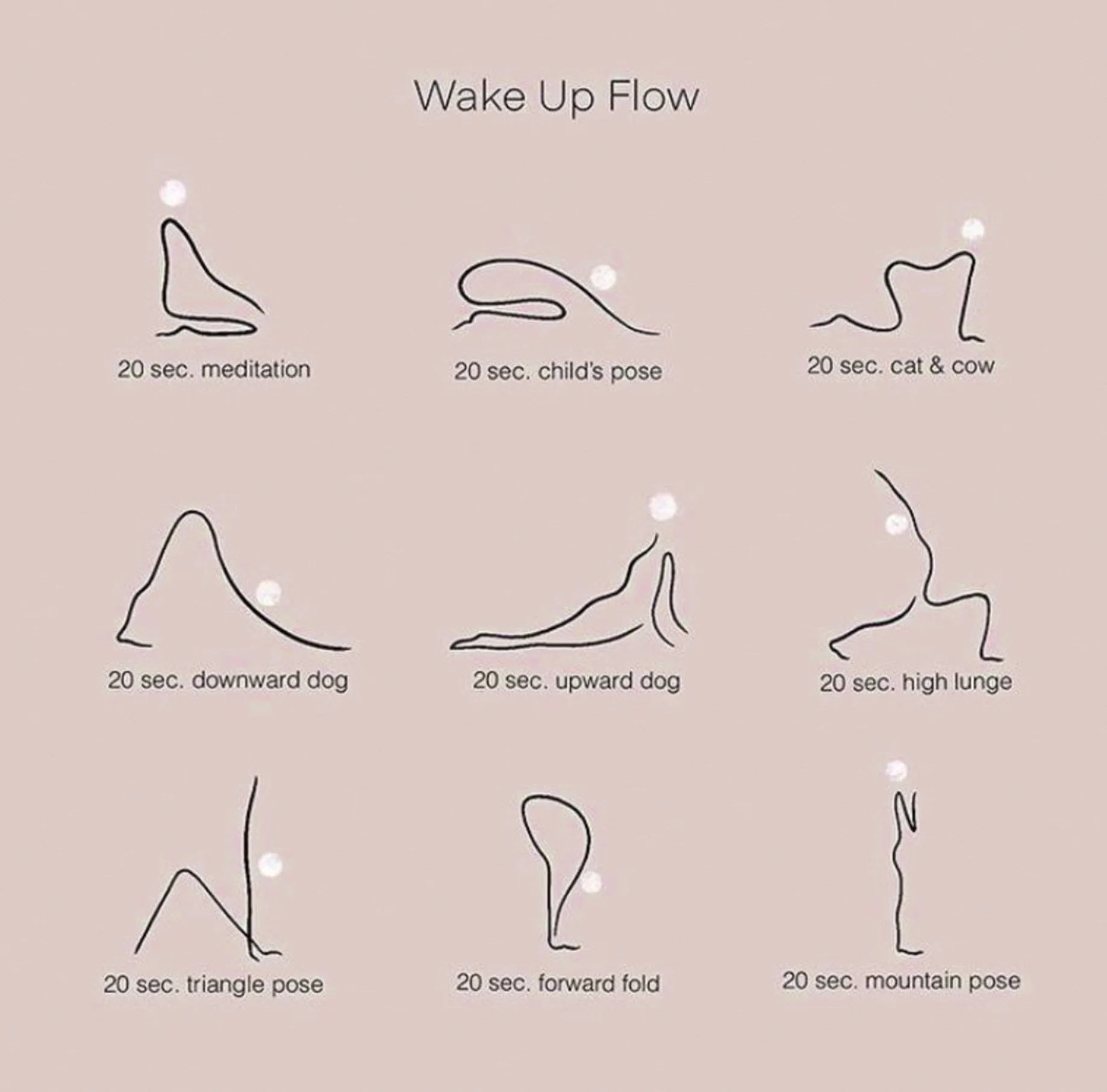
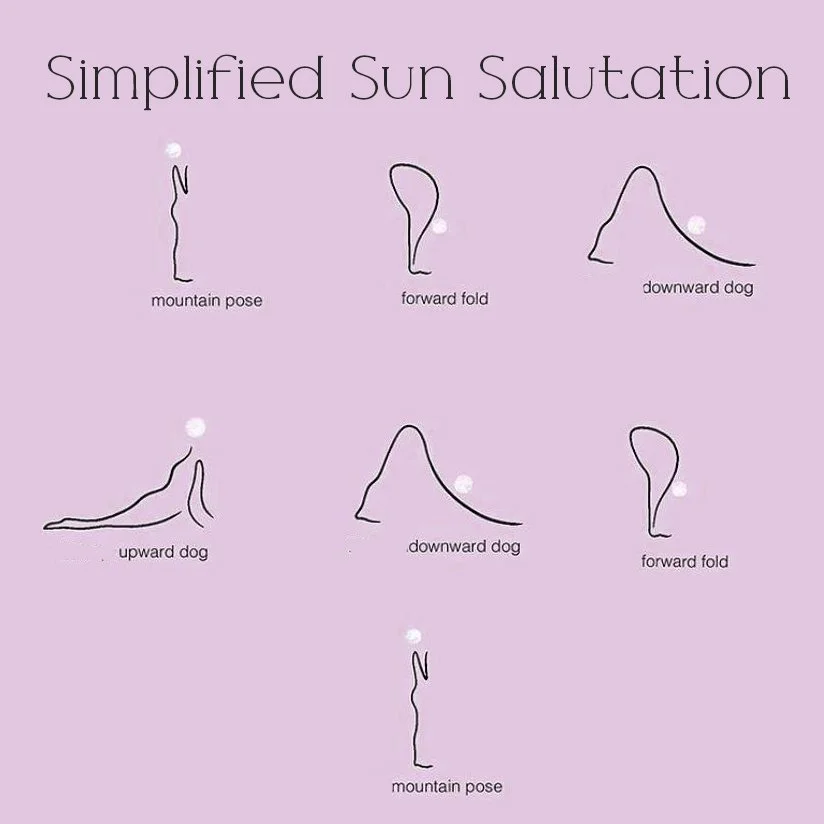
WORKSHEETS
Upcoming. To Be Announced
January 1
Webinare to focus on training, troubleshooting, and just sharing stories. If you want to be part of a demonstration, submit an issue we can workk on.
February 1
Webinare to focus on training, troubleshooting, and just sharing stories. If you want to be part of a demonstration, submit an issue we can workk on.
Webinare to focus on training, troubleshooting, and just sharing stories. If you want to be part of a demonstration, submit an issue we can workk on.